
If you are weighing up porcelain veneers, the first useful question is not what they cost. It is what the process actually involves, how long it takes, and what is reversible along the way.
This guide walks through the standard process at Cosmetique Dental Bondi Junction, which is the same approach used at our other NSW locations and broadly aligns with how reputable practices work across the state. A typical case takes four to six weeks from first consultation to fitted veneers. There are five clear stages, two appointments where you make significant decisions, and one important point of no return.
The first appointment is the most important one. You have not committed to anything yet, and a reputable clinic will not pressure you to.
What happens:
If you leave this appointment with only a verbal pitch and no written plan, that is information about the clinic, not just the price.
Once you decide to proceed, the second appointment focuses on what your veneers will actually look like.
This usually involves digital smile design: a preview of the proposed outcome, considering your facial features, lip line, and the shape and shade of your existing teeth. Some practices also produce a wax-up or a trial smile, where a temporary mock-up is bonded to your teeth so you can see and feel the proposed result before any permanent work begins.
This stage is collaborative. Your feedback on shape, shade, length, and alignment shapes the final design. A clinic that brushes past this conversation is missing the point of bespoke veneers.
This is the irreversible step. A small amount of enamel is removed from the front surface of each tooth receiving a veneer, typically about 0.5 millimetres. The amount varies based on your individual case, but the key point is this: once enamel is removed, it does not grow back.
That is why the conversations in stages 1 and 2 matter. By the time you sit down for preparation, you should be confident in the design, the clinic, and the plan.
The appointment itself involves local anaesthesia, careful preparation of the teeth, detailed impressions or digital scans for the laboratory, and temporary veneers placed to protect the prepared teeth while your permanent ones are made.
This stage happens behind the scenes. Your impressions or digital scans go to a dental laboratory, where each veneer is crafted to the design you signed off on.
Fabrication time depends on the laboratory. External labs typically take three to four weeks. An in-house laboratory can often shorten that turnaround.
Cosmetique Dental’s North Sydney laboratory is in-house, which means your veneers are crafted by the same team that designed them, with direct oversight at each step. With over 23,000 handcrafted porcelain veneers completed across our locations, the laboratory has refined its processes around bespoke quality control.
While you wait, your temporary veneers are functional but not the final aesthetic. Treat them gently, avoid hard or sticky foods, and the time passes quickly.
The fitting appointment is where it all comes together.
What happens:
A short follow-up appointment one to two weeks later checks how the veneers are settling and refines the bite if needed. From there, regular six-monthly check-ups are the same as for natural teeth.
With proper care, well-made porcelain veneers can last 10 to 15 years or longer, though outcomes vary based on individual circumstances.
Cosmetique Dental Bondi Junction sits on Spring Street, a short walk from Westfield Bondi Junction and the train station. For local patients researching the veneer process, three things tend to make the shortlist:
You do not need to be a previous patient. New patients are welcome for complimentary consultations.
If you are considering porcelain veneers and want to walk through the process for your specific case, our complimentary consultation at Cosmetique Dental Bondi Junction is the right place to start. You will leave with photographs, a written plan, and a clear sense of what each stage involves before any commitment.
All your needs are taken care of by our dedicated planners from start to finish.
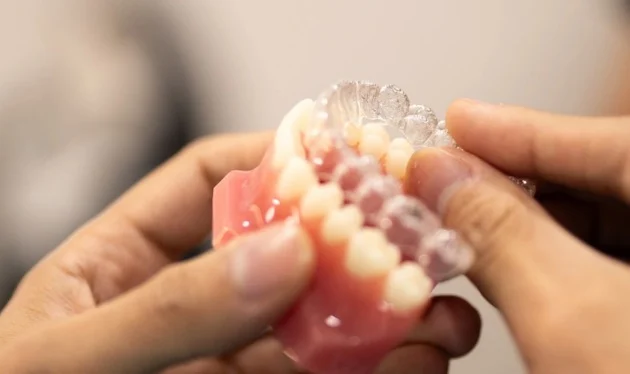
Custom porcelain veneers designed to alter tooth shape, size, or coloir.
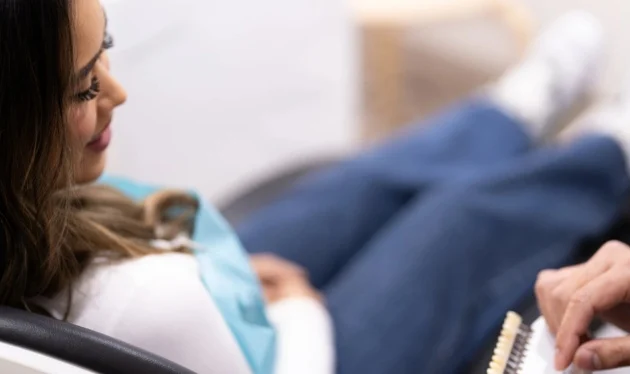
A direct bonding option that adjusts minor tooth shape and shade discrepancies for a uniform appearance.
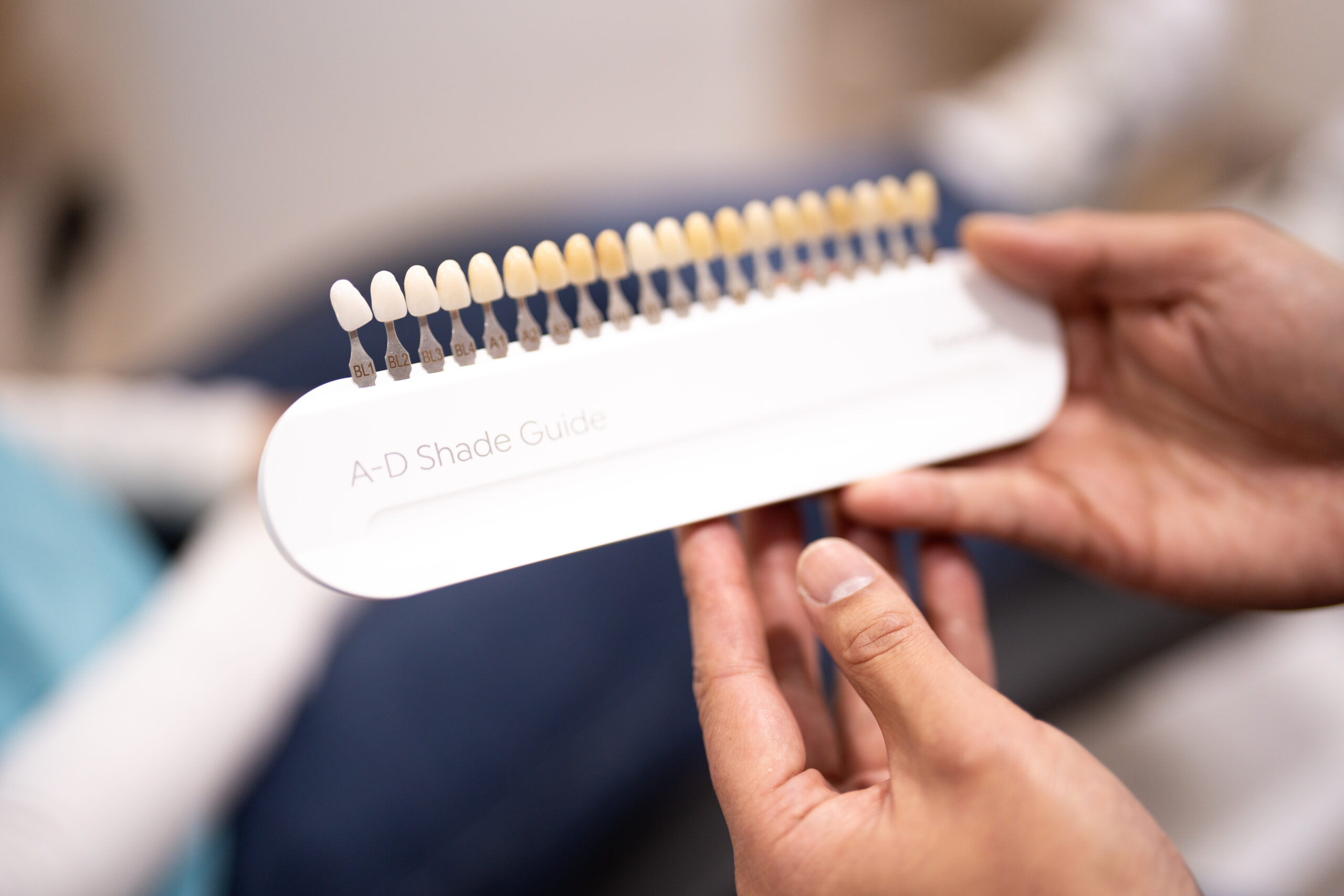
Professional in-clinic or at-home whitening systems designes to address tooth discolouration.
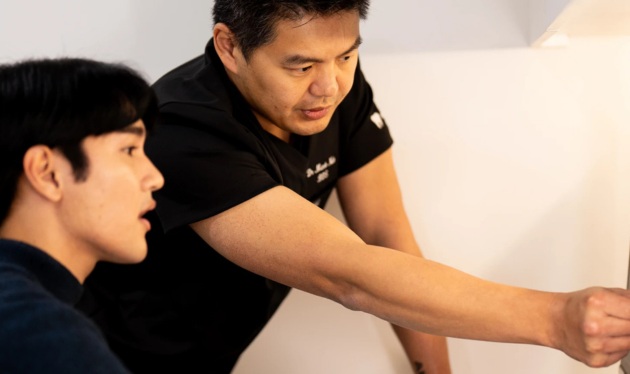
Digital planning technology that previews proposed changes before treatment begins, aiding precise case planning.

Prefer to book online? Book a free consult online and choose a time that suits you.
Prefer to speak with us? Call (02) 8090 1101. Otherwise, complete the form below to book a virtual consult and choose your preferred location.
Eligible new and existing patients considering Porcelain Veneers, Dental Implants, All-on-X Dental Implants or Invisalign/Clear Aligners can meet with a cosmetic dentist. The consultation may include scans, photographs and X-rays where clinically necessary.
During business hours (Monday-Friday, 8:00am-6:30pm), our team will aim to call you within 15 minutes.