
Complete sugar elimination isn’t necessary or realistic for most people. What matters more is how frequently you consume sugar and how long it remains on your teeth. Consuming sweet foods with meals rather than snacking throughout the day, followed by thorough cleaning, manages risk effectively whilst allowing you to enjoy occasional treats as part of a balanced dental diet.
Yes, you can still enjoy coffee whilst managing staining. Drinking it in one sitting rather than sipping throughout the day, rinsing with water afterwards, and maintaining regular professional cleaning helps minimise discolouration. If you’ve had whitening treatment, our take-home maintenance gels can address gradual staining over time.
Sugar-free products eliminate the sugar-related decay risk, but check other factors in your dental diet. Some sugar-free items are still highly acidic (like diet soft drinks), which erodes enamel. Sugar-free products using xylitol as a sweetener actually benefit dental health by inhibiting bacterial growth, making them genuinely tooth-friendly alternatives.
At Cosmetique Dental, we believe informed decisions lead to the best outcomes. With over 25 years of combined experience across our 8 Sydney and Canberra locations, we’ve seen how dietary choices affect dental health over time. This guide explores the relationship between your dental diet and your oral health, focusing on practical information rather than unrealistic restrictions.
Your teeth face chemical attacks throughout the day based on what you eat and drink. Understanding which foods pose risks helps you make informed choices about your dental diet without feeling like you need to give up everything you enjoy. It’s about awareness and moderation, not deprivation.
Let’s address the obvious one first: sugar damages teeth. But here’s what might surprise you about how sugar actually affects your dental diet.
According to the Australian Dental Association, sugar itself doesn’t directly harm teeth. Rather, bacteria in your mouth consume sugar and produce acid as a byproduct. This acid attacks tooth enamel, gradually causing decay.
These foods are fairly straightforward in terms of dental diet concerns:
Lollies and sweets: Particularly problematic are sticky varieties that cling to teeth, prolonging acid exposure. Hard lollies that you suck on for extended periods keep sugar levels elevated in your mouth continuously.
Soft drinks: A 375ml can of regular soft drink contains approximately 10 teaspoons of sugar. The combination of sugar and acid creates a double threat to tooth enamel.
Biscuits and cakes: These sweet treats often contain high sugar content and can stick to teeth, particularly in the grooves and between teeth where brushing doesn’t always reach effectively.
Your dental diet might include hidden sugars you haven’t considered:
Flavoured yoghurts: Marketed as healthy, many contain as much sugar as desserts. Check labels, as some varieties have 15-20 grams of sugar per serving.
Breakfast cereals: Even those marketed as healthy options often contain significant added sugar. Muesli bars fall into this category too.
Dried fruits: Whilst containing natural sugars and nutrients, dried fruits are sticky and sugar-concentrated. A handful of dried apricots has more sugar than the same amount of fresh apricots and sticks to teeth much more.
Condiments and sauces: Tomato sauce, barbecue sauce, and sweet chilli sauce contain surprising amounts of added sugar that most people don’t account for in their dental diet considerations.
Research published in the Australian Dental Journal indicates that frequency of sugar exposure matters more than total amount consumed. Sipping a soft drink throughout the day causes more damage than drinking it quickly with a meal.
Acids: The Other Invisible Enemy
Acidic foods and drinks erode tooth enamel directly, even without sugar involvement. This erosion, called dental erosion, can be as damaging to your dental diet as sugar-related decay.
Citrus fruits and juices: Oranges, lemons, limes, and grapefruits are highly acidic. Whilst nutritious, frequent consumption without rinsing afterwards can damage enamel over time.
Wine: Both red and white wines are acidic, with white wine generally being more erosive to enamel. The tannins in red wine can also stain teeth.
Apple cider vinegar: Despite health trend popularity, undiluted apple cider vinegar is extremely acidic and can cause significant enamel erosion when consumed regularly.
Sports drinks: These contain both sugar and acid, marketed for hydration but problematic for dental health when consumed frequently.
Kombucha: This trendy fermented tea drink is acidic, with pH levels comparable to soft drinks in some cases.
According to the Australian Institute of Health and Welfare, dental erosion from acidic beverages has increased, particularly among younger Australians who consume energy drinks and kombucha regularly.
Here’s something important about acidic foods in your dental diet: your mouth’s pH drops after consuming acidic items, temporarily softening enamel. Brushing immediately after acid exposure can actually damage this softened enamel. Wait at least 30 minutes before brushing, and rinse with water instead.
The texture of food matters in your dental diet. Sticky foods cling to teeth, prolonging exposure to sugars and acids.
Sticky dried fruits: Dates, raisins, dried figs, and apricots adhere to teeth and get stuck between them.
Caramels and toffees: These sticky sweets are particularly problematic, often requiring significant effort to remove from teeth.
Muesli bars: Many contain sticky dried fruits, honey, or syrups that bind to teeth.
Peanut butter: Whilst nutritious, peanut butter’s sticky texture means it clings to teeth and can get trapped in grooves.
The longer these foods remain on teeth, the longer bacteria have to produce damaging acids. If these foods are part of your dental diet, thorough cleaning afterwards becomes particularly important.
Whilst staining doesn’t damage tooth structure, it affects smile appearance. If you’ve invested in whitening or veneers, understanding which foods stain teeth helps maintain results.
Coffee and tea: Both contain tannins that gradually stain enamel. Black tea generally stains more than coffee, contrary to popular belief.
Red wine: Contains chromogens (pigmented molecules) and tannins, a staining combination.
Curry and tomato-based sauces: Intensely coloured foods can gradually discolour teeth with frequent consumption.
Balsamic vinegar: Dark colour combined with acidity makes this a double concern for tooth appearance.
Berries: Blueberries, blackberries, and cranberries contain pigments that can stain, though their nutritional benefits generally outweigh this cosmetic concern.
These staining foods don’t need elimination from your dental diet. Rinsing with water after consumption and maintaining regular professional cleaning helps manage staining effectively.
Some foods pose physical risks to tooth structure, particularly if you have existing dental work or weakened teeth.
Ice: Chewing ice can crack or chip teeth and damage existing fillings or crowns.
Hard lollies: Biting down on hard sweets risks fracturing teeth, especially molars.
Popcorn kernels: Unpopped or partially popped kernels can crack teeth or damage gums if they lodge between teeth.
Nuts: Whilst healthy, extremely hard nuts like Brazil nuts or almonds can occasionally cause chips if bitten incorrectly.
Olive pits: Accidentally biting these in dishes can cause significant tooth damage.
If you do crack or chip a tooth on hard food, contact us promptly. Early treatment prevents complications and often requires less extensive repair than delayed treatment.
Rather than focusing on restrictions, here’s what actually supports dental health:
Calcium-rich foods: Cheese, milk, and yoghurt (unsweetened varieties) help strengthen enamel.
Crunchy vegetables: Carrots, celery, and capsicum stimulate saliva production and help clean teeth mechanically.
Nuts and seeds: Provide healthy fats and require thorough chewing, which stimulates saliva.
Water: The most tooth-friendly beverage. Fluoridated tap water provides additional protection.
Green and black tea (unsweetened): Contains compounds that suppress cavity-causing bacteria, though they may stain over time.
You don’t need to eliminate everything problematic from your dental diet. Instead:
Every smile is unique, and these guidelines may not apply to your specific circumstances. Our comprehensive consultations can assess how your current diet affects your dental health and provide personalised recommendations.
To discuss your dental health with our experienced team, contact us on 02 8090 1101 or complete our enquiry form. We have 8 convenient locations across Sydney and Canberra.
All your needs are taken care of by our dedicated planners from start to finish.
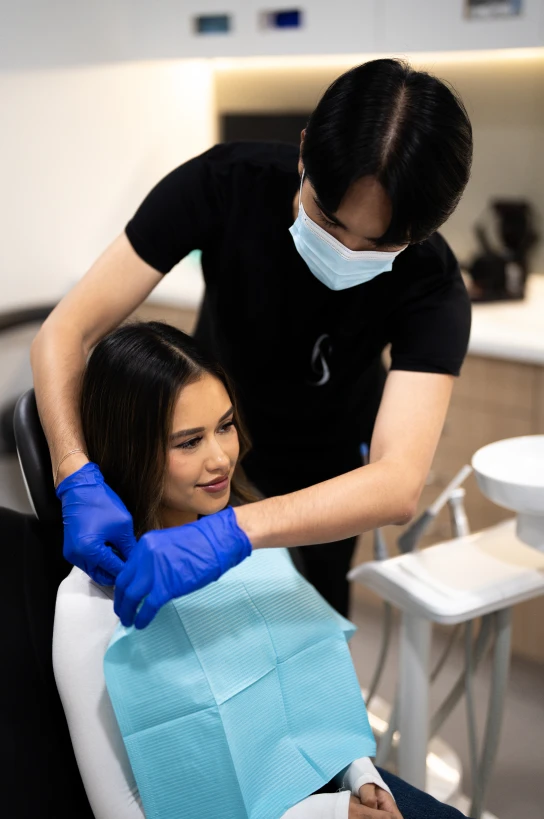
Keep your smile healthy with regular check-ups and professional cleanings, helping to prevent future dental issues.

Prefer to book online? Book a free consult online and choose a time that suits you.
Prefer to speak with us? Call (02) 8090 1101. Otherwise, complete the form below to book a virtual consult and choose your preferred location.
Eligible new and existing patients considering Porcelain Veneers, Dental Implants, All-on-X Dental Implants or Invisalign/Clear Aligners can meet with a cosmetic dentist. The consultation may include scans, photographs and X-rays where clinically necessary.
During business hours (Monday-Friday, 8:00am-6:30pm), our team will aim to call you within 15 minutes.