
No. Porcelain veneers are higher risk procedures requiring irreversible tooth preparation. Many cosmetic concerns can be addressed with less invasive alternatives. Comprehensive assessment determines suitability.
Key risks include permanent enamel removal, increased sensitivity, potential nerve damage, need for future replacement, and possible complications. Individual risk factors vary significantly.
Only comprehensive examination by a qualified practitioner can determine appropriateness. We assess your specific situation, discuss all alternatives, and provide detailed risk information before any treatment decisions.
Important Disclaimer
Individual results vary significantly based on oral health, lifestyle habits, and adherence to care instructions. This information is for educational purposes only and does not replace professional dental consultation. Always consult with a qualified dental practitioner to discuss your specific needs and suitability for treatment.
You’ve probably noticed more people talking about porcelain veneers lately, and you might be wondering what’s driving this growing interest. Are people just following trends, or are there genuine practical reasons behind choosing this higher risk cosmetic procedure?
At Cosmetique Dental, we hear countless porcelain veneers questions from patients across our Sydney and Canberra locations, and the motivations are often more diverse and practical than you might expect. Understanding these common reasons can help you determine whether veneers might address your own dental concerns.
While social media might suggest that everyone gets veneers for dramatic smile makeovers, the reality is quite different. Most patients seek porcelain veneers to address specific functional or aesthetic issues that have been bothering them for years.
According to the Australian Dental Association, cosmetic dentistry has become increasingly popular as materials and techniques have improved, with porcelain veneers representing one of the most versatile treatment options available.
One of the most frequent porcelain veneers questions we receive relates to teeth that resist traditional whitening treatments. Several types of discolouration simply cannot be addressed with bleaching alone:
This occurs within the tooth structure itself, often caused by:
Years of exposure to staining substances can create deep discolouration that penetrates beyond the reach of whitening treatments:
For these patients, porcelain veneers offer one potential solution, though alternative treatments should always be considered first.
Daily wear and tear takes a toll on teeth over time, and some patients consider veneers to restore damaged tooth surfaces:
Minor to moderate chips from accidents, sports injuries, or biting hard objects can make teeth appear uneven and feel rough. However, alternative treatments like bonding may be more appropriate for small chips.
These tiny fractures in tooth enamel may not cause pain but can be visible when smiling and tend to worsen over time without treatment.
Teeth grinding (bruxism), acid erosion, or simply decades of use can wear down tooth surfaces. Veneers may rebuild these areas but addressing underlying causes is essential.
Large or discoloured fillings, especially in visible front teeth, sometimes motivate patients to consider veneers, though crown restoration may be more appropriate.
Risk Considerations: Placing veneers on already compromised teeth increases the risk of complications and may require additional procedures.
Many patients have porcelain veneers questions about addressing spacing and minor positioning problems:
Small to moderate gaps between teeth can sometimes be closed with veneers, though this approach removes healthy tooth structure unnecessarily in many cases.
Slight overlapping or twisted teeth can sometimes be visually corrected with veneers, though significant alignment issues typically require orthodontic treatment first.
As higher risk cosmetic procedures, porcelain veneers carry significant risks that all patients must understand:
As we age, our teeth naturally undergo changes, but it’s important to understand that these are normal variations that don’t require correction:
Several practical considerations affect whether porcelain veneers are appropriate for addressing specific concerns:
Severity of the Issue: Many concerns can be addressed with less invasive treatments that preserve natural tooth structure.
Patient Age and Lifestyle: Younger patients should strongly consider orthodontic alternatives. Patients with bruxism require careful evaluation and may not be suitable candidates.
Oral Health Status: Underlying dental problems must be completely resolved before any cosmetic treatment consideration.
Location: Our locations in North Sydney, Sydney CBD, Bondi Junction, Parramatta, Macquarie Park, Hornsby and Canberra make it easy for patients to access support during your treatment journey.
The most common porcelain veneers questions we receive ultimately relate to whether this treatment will address specific concerns effectively. The answer depends on careful evaluation of your individual situation by a qualified dental practitioner.
At Cosmetique Dental, our comprehensive consultation process helps determine whether porcelain veneers are appropriate for your particular concerns. We examine not just what you want to achieve, but also consider your oral health, lifestyle, and long-term goals.
Often, alternative treatments like orthodontics, whitening, bonding, or other cosmetic procedures may be more suitable and less invasive options. Our experienced team across Sydney and Canberra can help you understand all your options and make an informed decision based on your specific needs.
Ready to explore whether porcelain veneers could appropriately address your specific dental concerns? Call Cosmetique Dental today on (02) 8090 1101 or complete our online enquiry form to schedule your comprehensive consultation and get answers to all your porcelain veneers questions.
All your needs are taken care of by our dedicated planners from start to finish.
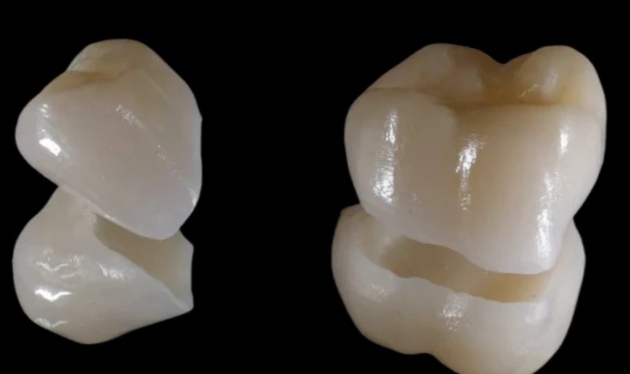
Strengthen and protect damaged teeth with a customised dental crown that restores both function and appearance.
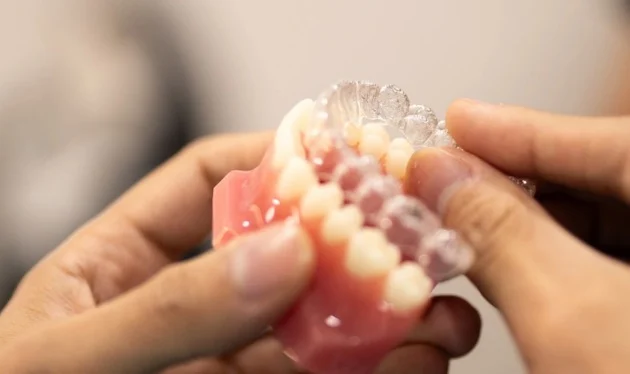
Custom porcelain veneers designed to alter tooth shape, size, or coloir.
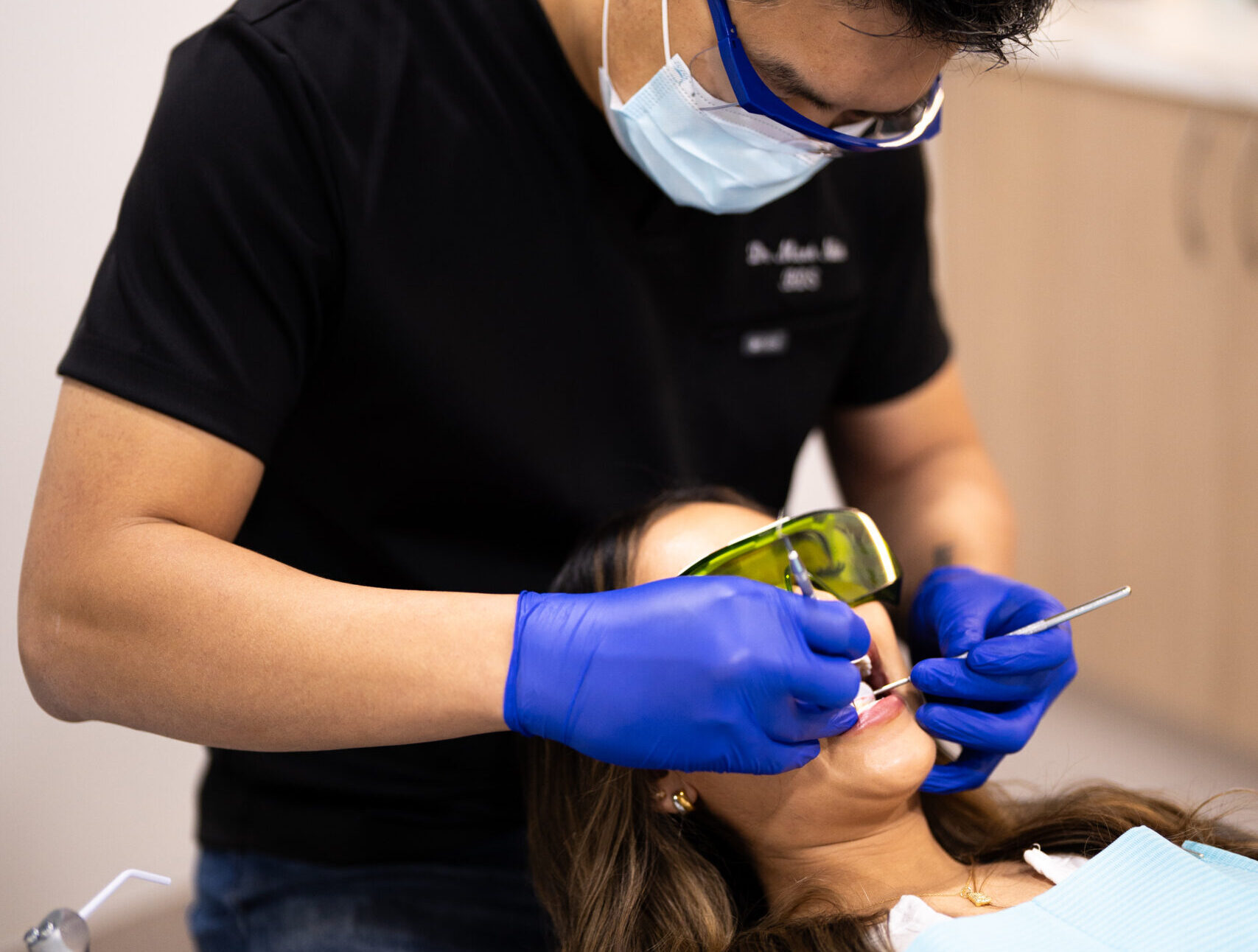
Save a damaged or infected tooth with root canal therapy, restoring function and preventing extraction.

Prefer to book online? Book a free consult online and choose a time that suits you.
Prefer to speak with us? Call (02) 8090 1101. Otherwise, complete the form below to book a virtual consult and choose your preferred location.
Eligible new and existing patients considering Porcelain Veneers, Dental Implants, All-on-X Dental Implants or Invisalign/Clear Aligners can meet with a cosmetic dentist. The consultation may include scans, photographs and X-rays where clinically necessary.
During business hours (Monday-Friday, 8:00am-6:30pm), our team will aim to call you within 15 minutes.