
While not always a dental emergency, replacing a missing tooth relatively promptly helps prevent complications like tooth shifting and bone loss. These issues become more difficult to address the longer you wait. If the missing tooth is visible when smiling or affects your ability to eat comfortably, these factors might influence your timeline for seeking treatment.
Possibly, though it depends on how much bone loss has occurred. Extended periods without a tooth often result in significant bone deterioration, which may require bone grafting before implant placement. A CBCT scan during consultation reveals the current bone status and whether grafting is necessary.
Coverage varies significantly between health funds and policies. Dental implants may have waiting periods and annual limits. Bridges and dentures often receive higher rebates. We recommend checking with your specific fund about coverage for different missing tooth replacement options before making your decision.
At Cosmetique Dental, we believe informed decisions lead to the best outcomes. With over 25 years of combined experience across our 8 Sydney and Canberra locations, we’ve helped thousands of patients navigate missing tooth replacement decisions. This guide examines the practical options available when you’ve lost a single tooth.
Losing a tooth affects more than just your smile’s appearance. It impacts how you eat, speak, and even how your other teeth position themselves over time. The gap left behind can cause neighbouring teeth to drift, alter your bite, and potentially lead to bone loss in your jaw. Understanding your missing tooth replacement options helps you make decisions that support both function and aesthetics.
Before we dive into missing tooth replacement options, let’s talk about why replacing a missing tooth matters beyond appearance.
According to the Australian Dental Association when a tooth is lost, several things start happening:
Neighbouring teeth shift: The teeth on either side of the gap gradually drift into the space. This can create alignment issues and make future treatment more complex.
Opposing teeth move: The tooth that used to bite against your missing tooth can start to emerge further from its socket, creating bite problems.
Bone loss occurs: Your jawbone needs stimulation from tooth roots to maintain its density. Without that stimulation, the bone gradually deteriorates. Research published in the Australian Dental Journal indicates that bone loss can begin within months of tooth loss and continues progressively.
Bite changes: Your remaining teeth may take on extra pressure, potentially leading to premature wear or damage.
The good news? Modern dentistry offers several effective missing tooth replacement options, each with distinct characteristics suited to different situations and preferences.
A dental implant replaces both the root and crown of your missing tooth. It involves placing a titanium post into your jawbone, which integrates with the bone over several months. Once healed, a custom crown is attached to the implant, creating a replacement that functions like your natural tooth.
The process typically involves:
Dental implants offer several benefits for missing tooth replacement:
Implants aren’t without their considerations:
The Australian Society of Implant Dentistry says dental implants have a success rate exceeding 95% when properly planned and maintained, making them a reliable missing tooth replacement option.
A dental bridge quite literally bridges the gap created by a missing tooth. It involves creating a prosthetic tooth (pontic) that’s supported by crowns placed on the teeth adjacent to the gap.
The bridge process typically includes:
Bridges offer several benefits:
Bridges come with their own set of considerations:
Bridges work well as a missing tooth replacement when neighbouring teeth already need crowns or have large fillings, as the preparation serves dual purposes.
A partial denture is a removable appliance that replaces one or more missing teeth. For a single missing tooth, a partial denture typically consists of a replacement tooth attached to a gum-coloured base, with clasps that hook onto nearby teeth for stability.
Partial dentures offer certain benefits:
Partial dentures have notable limitations for single missing tooth replacement:
Most dentists consider partial dentures less ideal for single missing tooth replacement when other options are viable, though they serve well in specific circumstances such as temporary solutions or when other treatments aren’t possible due to medical or financial reasons.
Choosing the right missing tooth replacement depends on multiple factors:
Your priorities: If longevity and bone preservation matter most, implants typically offer the best solution. If you need faster treatment, a bridge might suit better.
Your adjacent teeth: If neighbouring teeth have large fillings or need crowns anyway, a bridge efficiently addresses multiple issues.
Your bone health: Adequate bone is necessary for implants, though grafting can address deficiencies.
Your budget: While implants require higher initial investment, their longevity can make them cost-effective long-term. Bridges offer a middle ground, whilst partial dentures provide the most economical immediate solution.
Your overall health: Certain medical conditions affect surgical healing, which might influence whether implants are suitable.
Your timeline: If you need a solution quickly for an event or specific deadline, this influences which option works best.
Every smile is unique, and these guidelines may not apply to your specific circumstances. Our complimentary consultations provide personalised recommendations based on your individual needs and goals.
To discuss your missing tooth replacement options with our experienced team, contact us on 02 8090 1101 or complete our enquiry form. We have 8 convenient locations across Sydney and Canberra.
All your needs are taken care of by our dedicated planners from start to finish.
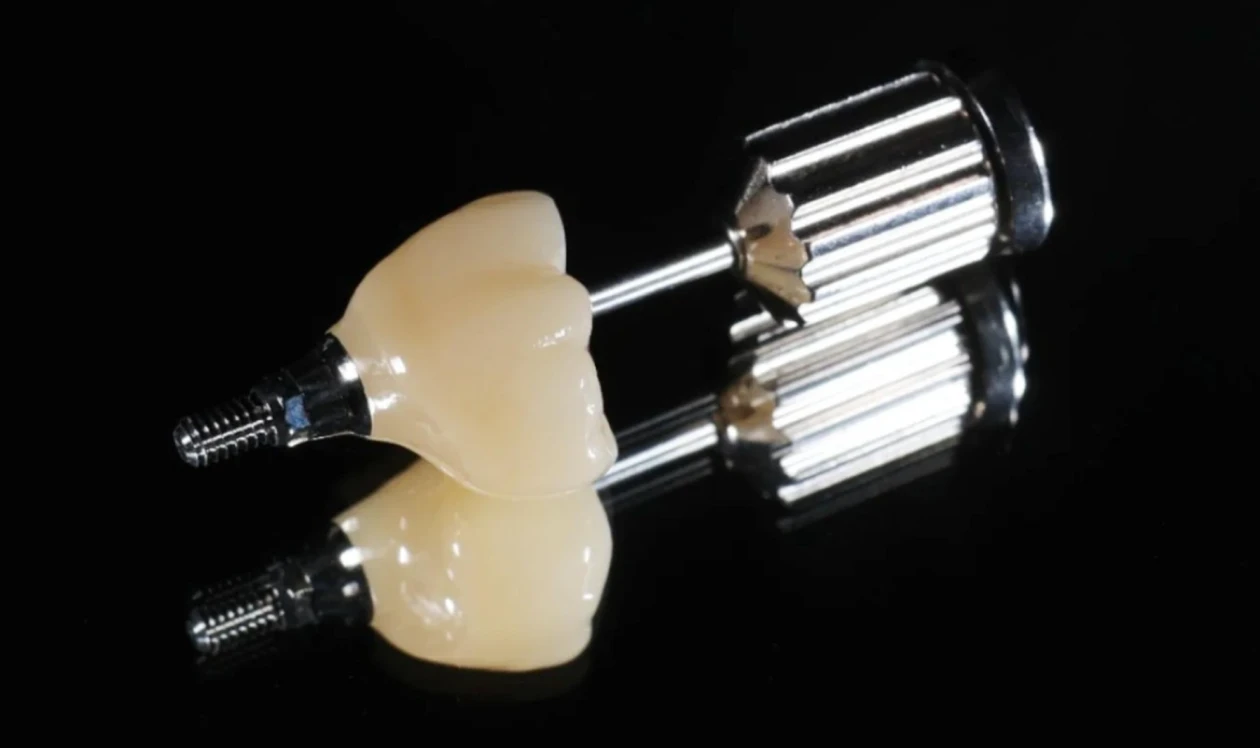
Replace missing teeth with durable, natural-looking implants that provide both strength and support for a functional smile.
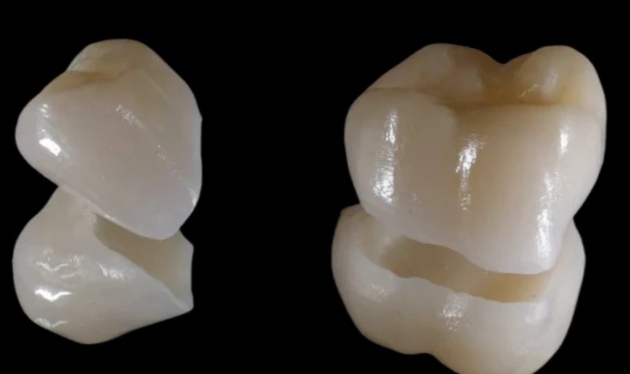
Strengthen and protect damaged teeth with a customised dental crown that restores both function and appearance.
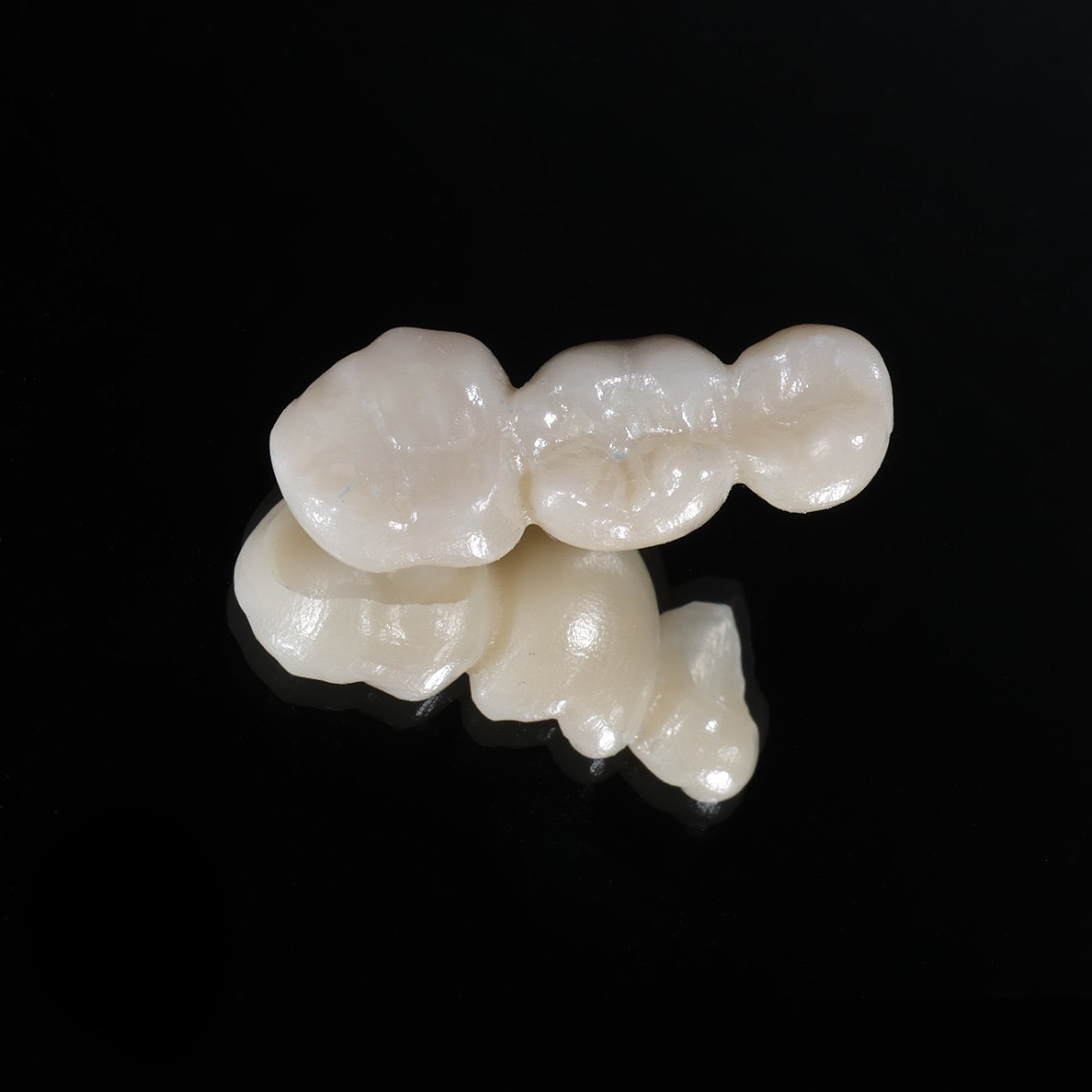
Restore your teeth with custom-made crowns and bridges, filling gaps and restoring both form and function.

Prefer to book online? Book a free consult online and choose a time that suits you.
Prefer to speak with us? Call (02) 8090 1101. Otherwise, complete the form below to book a virtual consult and choose your preferred location.
Eligible new and existing patients considering Porcelain Veneers, Dental Implants, All-on-X Dental Implants or Invisalign/Clear Aligners can meet with a cosmetic dentist. The consultation may include scans, photographs and X-rays where clinically necessary.
During business hours (Monday-Friday, 8:00am-6:30pm), our team will aim to call you within 15 minutes.