
The distinction often comes down to whether your dental issues are interconnected. If problems in one area affect or are caused by issues elsewhere (like bite problems causing tooth wear), full mouth reconstruction’s coordinated approach provides better outcomes. If issues are isolated and unrelated, separate treatments might suffice. Comprehensive examination and treatment planning during consultation clarifies which approach suits your situation.
Yes, various sedation options exist for patients who feel anxious about extensive dental work. Options range from mild sedation to help you relax through to general anaesthesia for complex procedures. Discuss sedation options during your consultation to determine what’s appropriate and available for your situation.
No, you won’t be left without teeth. Throughout full mouth reconstruction, temporary restorations maintain function and appearance. These temporaries protect your teeth between preparation and final restoration placement, allowing you to eat, speak, and smile normally during treatment.
At Cosmetique Dental, we believe informed decisions lead to the best outcomes. With over 25 years of experience across our 8 Sydney and Canberra locations, we’ve helped numerous patients navigate complex dental situations. This guide examines full mouth reconstruction, when it’s appropriate, and how to determine whether it’s the right approach for your circumstances.
Full mouth reconstruction refers to comprehensive treatment that addresses multiple dental issues affecting most or all of your teeth. It’s not a single procedure but rather a coordinated treatment plan combining various dental techniques to restore function, health, and aesthetics. Understanding whether you’re a candidate for full mouth reconstruction requires careful assessment of your specific situation.
Full mouth reconstruction is considered when you have extensive dental problems affecting multiple teeth or all teeth. According to the Australian Dental Association, this level of comprehensive treatment typically addresses combinations of decay, missing teeth, severely worn teeth, damaged restorations, bite problems, or jaw joint issues.
Common situations that might lead to full mouth reconstruction include extensive tooth decay affecting most teeth, severe tooth wear from grinding or acid erosion, multiple missing teeth requiring replacement, failed dental work throughout the mouth, significant bite misalignment affecting function, or trauma affecting multiple teeth.
This treatment differs from a smile makeover primarily in scope and necessity. Smile makeovers focus on aesthetic improvements for generally healthy teeth, whilst full mouth reconstruction addresses functional problems alongside aesthetic concerns. The distinction matters because it affects treatment complexity, timeline, and often health fund coverage.
Several indicators suggest full mouth reconstruction might be appropriate for your situation.
Widespread tooth damage: If most of your teeth have significant decay, fractures, or failed restorations, treating them individually becomes less practical than comprehensive reconstruction. Research published in the Australian Dental Journal indicates that coordinated treatment of multiple issues often provides better long-term outcomes than piecemeal approaches.
Severe tooth wear: Extensive wear from grinding, acid erosion, or age can reduce tooth height significantly, affecting your bite and facial appearance. Full mouth reconstruction can restore proper tooth dimensions and bite relationships.
Multiple missing teeth: When numerous teeth are missing, particularly in both arches, full mouth reconstruction incorporating implants, bridges, or dentures provides comprehensive restoration of function.
Chronic pain or dysfunction: Persistent jaw pain, difficulty chewing, or ongoing dental problems despite previous treatments might indicate underlying structural issues requiring comprehensive attention.
Failed previous dentistry: If you have numerous old crowns, bridges, or fillings that are failing simultaneously, full mouth reconstruction allows starting fresh with a coordinated approach rather than patching problems repeatedly.
Full mouth reconstruction is highly individualised, but certain elements commonly appear in treatment plans.
Comprehensive assessment: Treatment begins with thorough examination including CBCT scans to analyse bone structure, detailed impressions or digital scans, bite analysis, and often consultation with multiple specialists if complex issues exist.
Treatment planning: Your dentist develops a coordinated plan addressing all issues in the appropriate sequence. This might involve addressing gum disease or decay before restorative work, orthodontics to correct alignment before placing restorations, or implant placement before creating final restorations.
Combination of procedures: Full mouth reconstruction typically combines various treatments such as dental implants to replace missing teeth, crowns or veneers to restore damaged teeth, periodontal treatment for gum health, orthodontics or bite adjustment for alignment, and sometimes surgical procedures for bone grafting or jaw positioning.
Staged treatment: Rather than completing everything at once, full mouth reconstruction usually proceeds in stages over several months. This allows for healing between procedures and provides opportunities to assess progress and make adjustments.
According to the Australian Society of Implant Dentistry, comprehensive treatment planning improves success rates for complex cases by ensuring all aspects of dental health are addressed systematically.
Timeline and Process Expectations
Full mouth reconstruction timelines vary significantly based on complexity and treatments involved. Simple cases might complete within 3-6 months, whilst complex reconstructions involving multiple implants, orthodontics, or extensive preparatory work might span 12-18 months.
The process typically begins with addressing urgent issues like infections or severe pain, followed by preparatory treatments such as gum disease therapy or extractions. Once the foundation is healthy, restorative dentistry proceeds, often starting with one arch before moving to the other. Final adjustments ensure comfortable bite and proper function.
Throughout full mouth reconstruction, you’ll typically have temporary restorations protecting your teeth and maintaining function. These temporaries also serve as prototypes, allowing you and your dentist to assess aesthetics and function before creating permanent restorations.
Full mouth reconstruction represents a significant investment, with costs varying widely based on the extent of treatment needed. A comprehensive reconstruction might involve tens of thousands of dollars, depending on treatments required.
Several factors influence the investment including the number of teeth requiring treatment, types of procedures needed (implants typically cost more than other options), materials chosen for restorations, and whether specialists are involved.
At our practices, we provide detailed written treatment plans with transparent pricing. We also offer flexible payment options through Humm and TLC, with plans available from $57 per week (subject to approval). For certain treatments and eligible patients, early release of superannuation may be possible through approved providers.
Health fund coverage varies significantly. Some aspects receive higher rebates than others, and reaching annual limits is common with extensive treatment. We recommend discussing coverage with your fund early in the planning process.
Full mouth reconstruction isn’t always necessary, even when multiple dental issues exist. Alternative approaches might suit certain situations better.
Phased treatment over time: Rather than comprehensive reconstruction, addressing problems systematically over several years as budget allows. This works when issues aren’t urgent and teeth remain stable.
Focusing on priority areas: Treating only the most problematic teeth and maintaining others. This makes sense when some teeth are healthy and issues are localised.
Removable prosthetics: In cases where implant-based reconstruction isn’t feasible due to bone loss or medical conditions, well-designed dentures can restore function at lower cost.
All-Teeth-On-Implants: For patients missing most or all teeth or with teeth that are severely compromised, All-Teeth-On-Implants provides full arch restoration using 4-6 implants per arch. Starting from $24,990 per arch, this approach offers fixed teeth without individual implant placement for each missing tooth.
The right approach depends on your specific situation, urgency of problems, functional requirements, aesthetic goals, and financial considerations.
Determining whether restorative dentistry is appropriate requires comprehensive assessment and honest conversation with your dentist about priorities, expectations, and constraints.
Consider seeking second opinions for complex cases. Full mouth reconstruction is significant, and different dentists may propose varying approaches. Comparing perspectives helps ensure you’re making informed decisions.
Ask detailed questions during consultations about why specific treatments are recommended, what happens if you delay treatment, whether staged approaches are possible, and what realistic outcomes look like for your situation.
Every smile is unique, and these guidelines may not apply to your specific circumstances. Our complimentary consultations provide personalised assessment of whether full mouth reconstruction or alternative approaches better suit your needs.
To discuss your dental situation with our experienced team, contact us on 02 8090 1101 or complete our enquiry form. We have 8 convenient locations across Sydney and Canberra.
All your needs are taken care of by our dedicated planners from start to finish.
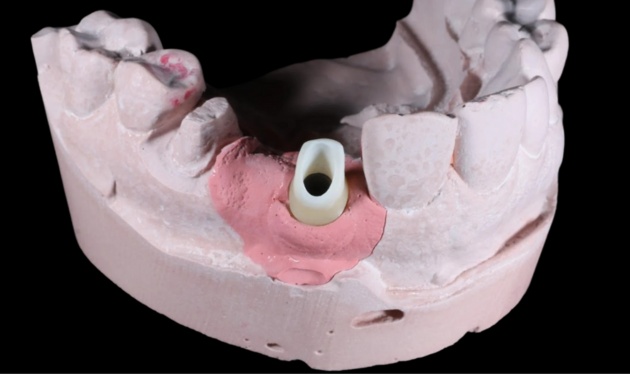
Explore our range of restorative treatments, each designed to bring back the strength and beauty of your smile.
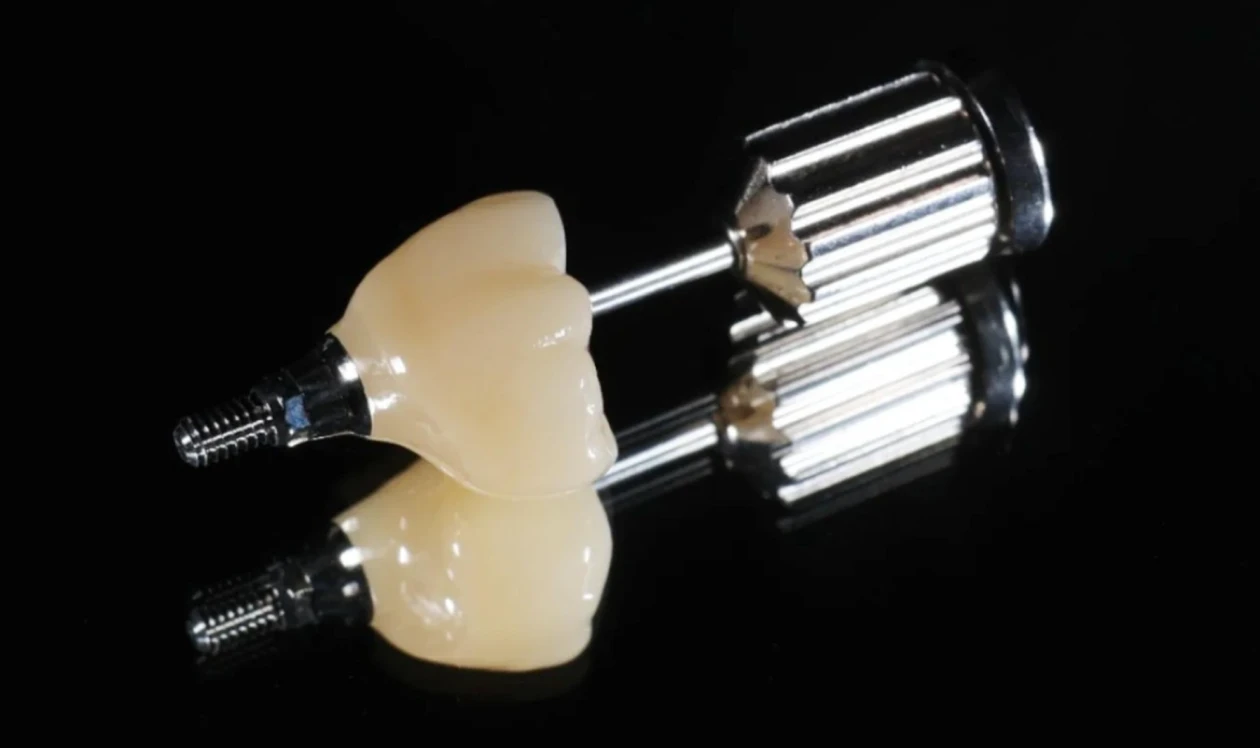
Replace missing teeth with durable, natural-looking implants that provide both strength and support for a functional smile.
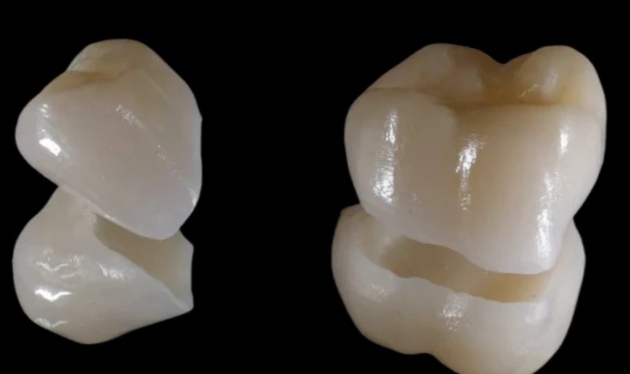
Strengthen and protect damaged teeth with a customised dental crown that restores both function and appearance.
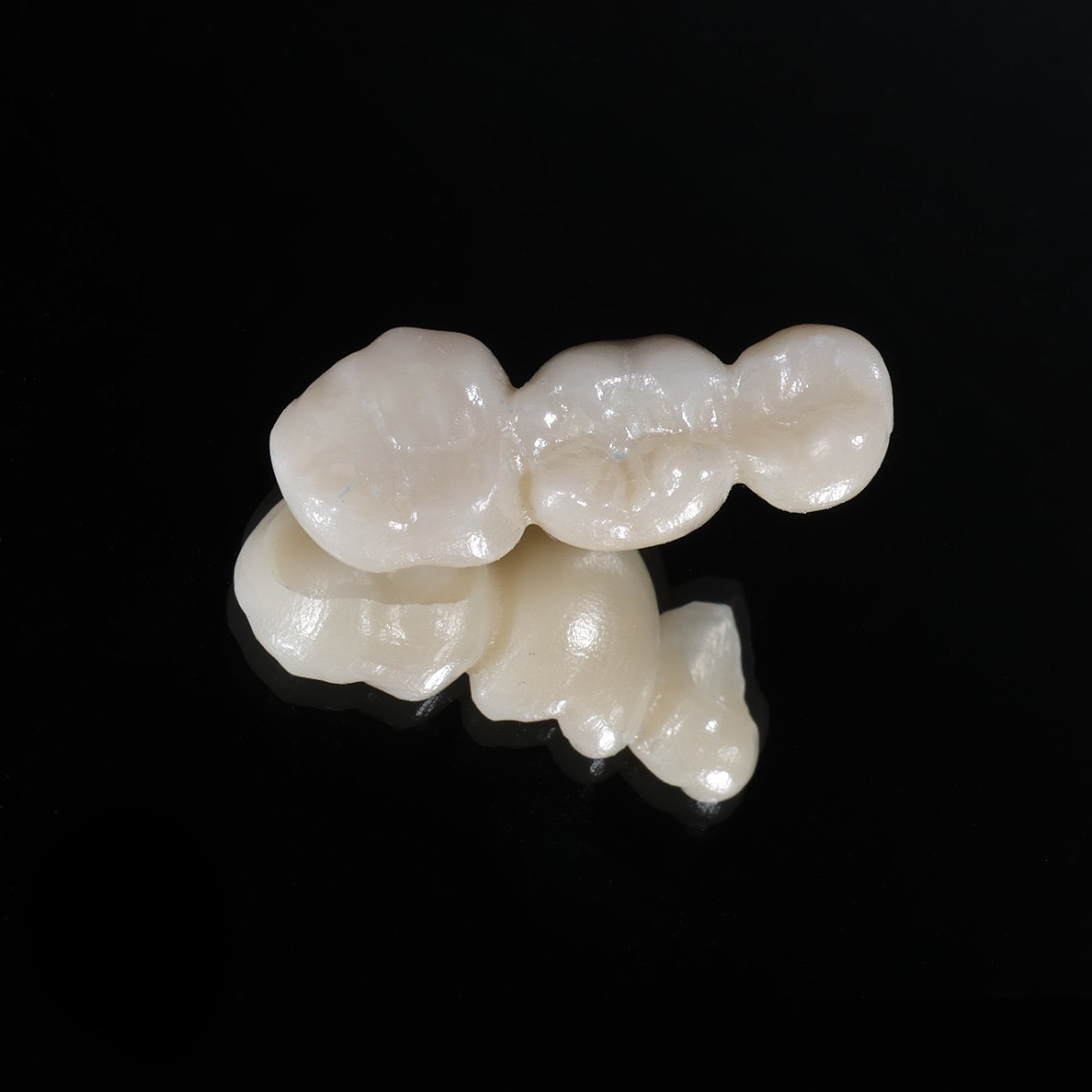
Restore your teeth with custom-made crowns and bridges, filling gaps and restoring both form and function.
Restore your teeth with durable, natural-looking fillings that blend seamlessly with your smile.

Prefer to book online? Book a free consult online and choose a time that suits you.
Prefer to speak with us? Call (02) 8090 1101. Otherwise, complete the form below to book a virtual consult and choose your preferred location.
Eligible new and existing patients considering Porcelain Veneers, Dental Implants, All-on-X Dental Implants or Invisalign/Clear Aligners can meet with a cosmetic dentist. The consultation may include scans, photographs and X-rays where clinically necessary.
During business hours (Monday-Friday, 8:00am-6:30pm), our team will aim to call you within 15 minutes.