
You can gradually return to normal eating as comfort allows, typically over 2-4 weeks. Start with soft foods and progressively add firmer textures. Most patients resume normal eating habits within a month, though you should continue avoiding extremely hard foods that could damage any dental work.
Most patients take 1-2 days off work for a single implant. If your job involves strenuous physical activity, you may need 3-4 days. Multiple implants or more complex procedures may require additional recovery time. Discuss your specific situation with your dentist when planning treatment.
Avoid strenuous exercise for at least 48-72 hours after surgery. Light walking is fine, but avoid activities that elevate your heart rate significantly or involve potential facial impact. Gradually resume normal exercise as healing progresses, typically after one week for moderate activity and two weeks for vigorous exercise.
At Cosmetique Dental, we believe informed decisions lead to the best outcomes. With over 25 years of experience placing dental implants across our 8 Sydney and Canberra locations, we’ve learned that proper dental implant aftercare significantly influences success rates. This guide explains what to do and what to avoid during recovery and beyond.
Your dental implant represents a significant investment in your oral health and appearance. Following appropriate dental implant aftercare practices helps ensure the implant integrates successfully with your jawbone and provides decades of reliable function.
Dental implant aftercare varies depending on which healing stage you’re in. According to the Australian Dental Association, dental implant success depends largely on osseointegration, the process where the titanium implant fuses with your jawbone over several months.
The immediate post-surgical period (first 1-2 weeks) focuses on managing swelling, preventing infection, and protecting the surgical site. The integration period (3-6 months) requires protecting the implant whilst bone grows around it. Long-term dental implant aftercare maintains the health of the implant and surrounding tissues indefinitely.
The first two days after implant placement are critical for dental implant aftercare.
DO: Keep gauze on the surgical site for the first hour, applying gentle pressure to help blood clot formation. Rest and avoid strenuous activity for at least 24-48 hours, as physical exertion increases blood pressure, potentially causing bleeding or swelling. Apply ice packs to the outside of your face, 20 minutes on and 20 minutes off, during the first 24 hours to minimise swelling. Take prescribed medications exactly as directed, including antibiotics and pain relief.
DON’T: Touch the surgical site with your fingers or tongue, as this introduces bacteria. Don’t rinse vigorously or spit forcefully for the first 24 hours, as these actions can dislodge the blood clot. Avoid hot foods and beverages for the first 24 hours, as heat increases bleeding. Don’t smoke or use tobacco products. Research published in the Australian Dental Journal indicates smoking can reduce implant success rates by up to 20%.
During the first week, dental implant aftercare focuses on promoting healing whilst protecting the surgical site.
DO: After the first 24 hours, rinse gently with warm salt water (one teaspoon of salt in a cup of warm water) after meals and before bed. Continue taking any prescribed antibiotics for the full course. Eat soft, nutritious foods like scrambled eggs, yoghurt, smoothies, and soup. Chew on the opposite side of your mouth from the implant site. Sleep with your head elevated on pillows to reduce swelling. Brush your other teeth normally but avoid the surgical site.
DON’T: Consume alcohol whilst taking antibiotics or pain medication. Don’t eat crunchy, hard, or sticky foods like nuts, chips, popcorn, or chewy lollies. Avoid straws for at least the first week, as the suction created can dislodge blood clots. Don’t participate in contact sports or activities where facial impact is possible.
During the integration period, bone grows around your implant. Dental implant aftercare during this phase protects the implant whilst allowing normal function to resume gradually.
DO: Gradually reintroduce firmer foods as comfort allows, but continue avoiding very hard foods near the implant site. Resume gentle brushing around the implant area once your dentist approves, typically after the first week. Use a soft-bristled toothbrush. Stay hydrated and maintain a balanced diet rich in protein, vitamins, and minerals. Monitor the site for any concerning changes like increasing pain, swelling, or discharge. Attend all scheduled follow-up appointments.
DON’T: Bite directly on the implant site with force. Even though the implant is strong, excessive pressure during integration can cause micro-movements that prevent proper bone attachment. Don’t neglect oral hygiene in the rest of your mouth. Avoid habits like nail biting, pen chewing, or using teeth to open packages. Don’t skip follow-up appointments, as regular monitoring catches potential issues early.
Once your implant has integrated and your final crown is placed, ongoing dental implant aftercare maintains the implant indefinitely.
DO: Brush twice daily with a soft-bristled toothbrush, including around the implant crown. Floss daily around the implant using regular floss or interdental brushes. Use an antimicrobial mouthwash if recommended by your dentist. Attend regular dental check-ups and professional cleaning every six months. According to the Australian Society of Implant Dentistry, regular professional maintenance significantly extends implant lifespan. Wear a night guard if you grind your teeth, as grinding puts excessive force on dental implants.
DON’T: Neglect oral hygiene. Implants can develop peri-implantitis, an infection of the tissues surrounding the implant similar to gum disease. This is the leading cause of late implant failure. Don’t use your implant to bite extremely hard foods like ice, hard lollies, or nutshells. Avoid tobacco products long-term, as smoking continues to affect implant health even after successful integration. Don’t use abrasive toothpastes or hard-bristled brushes, as these can scratch the implant surface.
Proper dental implant aftercare includes recognising when something isn’t right. Contact your dentist immediately if you experience increasing pain several days after surgery (pain should gradually decrease), significant swelling that worsens after the first 48 hours, fever above 38°C, continuous bleeding that doesn’t stop with gentle pressure, or implant movement or looseness. Early intervention can often prevent minor issues from becoming serious problems.
Dental implants have success rates exceeding 95% when proper dental implant aftercare is followed. Your commitment to following these guidelines during the critical healing period and maintaining good oral hygiene long-term protects your investment.
Every patient heals differently, and these guidelines may not apply to your specific circumstances. Your dentist provides personalised dental implant aftercare instructions based on your individual case. Our implant treatments range from $4,500 to $5,500 and include CBCT scanning, implant placement, abutment, and custom crown creation.
To discuss dental implants with our experienced team, contact us on 02 8090 1101 or complete our enquiry form. We have 8 convenient locations across Sydney and Canberra.
All your needs are taken care of by our dedicated planners from start to finish.
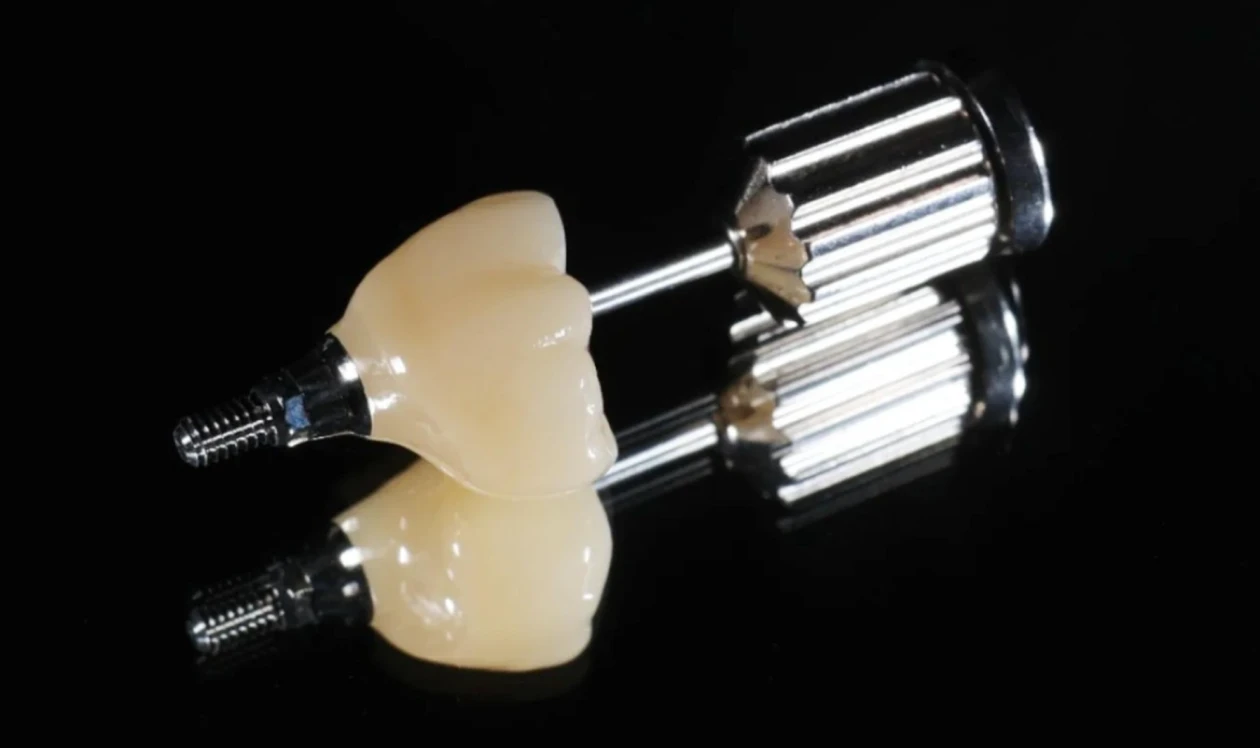
Replace missing teeth with durable, natural-looking implants that provide both strength and support for a functional smile.

Prefer to book online? Book a free consult online and choose a time that suits you.
Prefer to speak with us? Call (02) 8090 1101. Otherwise, complete the form below to book a virtual consult and choose your preferred location.
Eligible new and existing patients considering Porcelain Veneers, Dental Implants, All-on-X Dental Implants or Invisalign/Clear Aligners can meet with a cosmetic dentist. The consultation may include scans, photographs and X-rays where clinically necessary.
During business hours (Monday-Friday, 8:00am-6:30pm), our team will aim to call you within 15 minutes.