
Composite bonding is one of the more accessible entry points into cosmetic dentistry, and for good reason. It’s a chairside procedure, completed in a single visit, that can address chips, gaps, minor discolouration, and uneven tooth edges without the preparation involved in porcelain veneers. For many patients in Canberra, it’s the right starting point, and for others, it’s the right finish line.
Civic Gentle Dental Care on London Circuit sits within the Cosmetique Dental group, a practice with 25+ years of experience and 100,000+ smile cases across eight Sydney and Canberra locations. That depth of cosmetic experience informs how the team here approaches bonding, not as a quick fix, but as a considered aesthetic treatment that deserves the same care as any other.
What composite bonding can and can’t do is worth understanding clearly before you book.
Composite bonding uses tooth-coloured resin, applied directly to the tooth surface and sculpted by the dentist chairside. The resin is carefully matched to your natural tooth shade, shaped to address the specific concern, then hardened with a curing light and polished to a smooth finish. No laboratory is involved, and in most cases, no anaesthetic is needed unless the area being treated is particularly sensitive.
The process is considered conservative because it typically requires little to no removal of natural tooth structure. That’s one of its more meaningful advantages over porcelain veneers, which involve a degree of enamel preparation that makes the change permanent. Composite bonding, by contrast, is reversible in most cases and can be a useful option for patients who want to explore a cosmetic outcome before committing to something more involved.
Results can typically last three to seven years depending on the location of the bonding, your bite, and how well the treated teeth are maintained. Regular dental check-ups and avoiding habits that place stress on the bonded area, such as nail biting or using teeth to open packaging, are all part of keeping the result looking its best.
Composite bonding is well suited to a specific range of concerns. Chips are probably the most common, particularly on front teeth where even a small chip is noticeable. Gaps between teeth, minor length discrepancies, slight discolouration that doesn’t respond well to whitening, and uneven edges are all cases where bonding can produce a noticeably improved result.
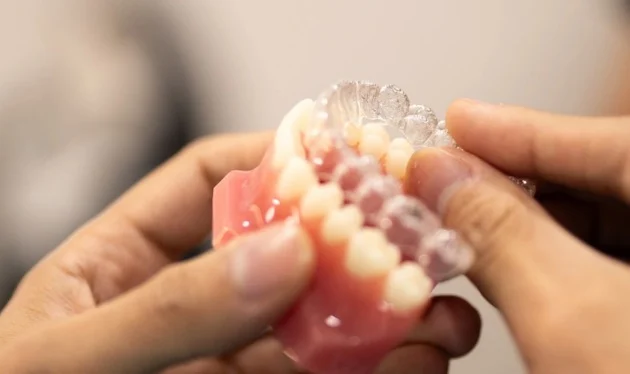
It works less well for significant misalignment, extensive discolouration, or situations where multiple teeth need comprehensive reshaping. In those cases, porcelain veneers or Invisalign may be more appropriate options, and the team at Civic Gentle Dental Care will say so clearly if that’s the case. The aim is always to match the treatment to the actual concern, not to oversell a more involved procedure when a simpler one will do the job.
If you’re unsure whether bonding is the right approach for your situation, the complimentary consultation is the place to start.
Patients often ask how composite bonding compares to porcelain veneers, and it’s a fair question because both address similar aesthetic concerns. The honest answer is that they’re genuinely different products with different trade-offs, and the right choice depends on your specific situation.
Composite bonding is completed in a single visit, requires no laboratory fabrication, and is generally less costly. It’s reversible in most cases and preserves more natural tooth structure. The trade-offs are that composite is more prone to staining over time and typically needs refinishing or replacing sooner than porcelain.
Porcelain veneers require at least two appointments and involve a degree of tooth preparation. They are more resistant to staining, reflect light in a way that closely mimics natural enamel, and can often last 10 to 20 years with appropriate care. For patients seeking a longer-term result with a highly natural appearance, porcelain is usually the stronger option.
Neither is inherently better. The right choice comes down to the size and nature of the concern, your aesthetic goals, your budget, and how long you want the result to last. Having completed over 23,000 handcrafted porcelain veneers across the Cosmetique Dental group, the team at Civic Gentle Dental Care has the breadth of experience to guide that conversation honestly.
Composite bonding is generally more accessible from an investment standpoint than porcelain veneers, and costs vary based on the number of teeth involved and the complexity of the work. For a clear picture of what your individual case would involve, download the price guide from the website or discuss pricing directly during your complimentary consultation.
Interest-free payment plans are available through Humm and TLC Finance for eligible patients. A complimentary consultation, valued at $250, is available for eligible new patients at Civic Gentle Dental Care. That’s a comprehensive clinical assessment with no obligation, covering your specific concerns, suitability for bonding, and a clear outline of your options before you commit to anything.
Every smile is unique, and these guidelines may not apply to your specific circumstances. Our complimentary consultations provide personalised recommendations based on your individual needs and goals.
To discuss your situation with our experienced team, book your complimentary consultation at Civic Gentle Dental Care on London Circuit, Canberra.
All your needs are taken care of by our dedicated planners from start to finish.
Custom porcelain veneers designed to alter tooth shape, size, or coloir.

A direct bonding option that adjusts minor tooth shape and shade discrepancies for a uniform appearance.

Prefer to book online? Book a free consult online and choose a time that suits you.
Prefer to speak with us? Call (02) 8090 1101. Otherwise, complete the form below to book a virtual consult and choose your preferred location.
Eligible new and existing patients considering Porcelain Veneers, Dental Implants, All-on-X Dental Implants or Invisalign/Clear Aligners can meet with a cosmetic dentist. The consultation may include scans, photographs and X-rays where clinically necessary.
During business hours (Monday-Friday, 8:00am-6:30pm), our team will aim to call you within 15 minutes.