
The timing varies from immediate placement during extraction to waiting 3-6 months for complete healing. Your specific timeline depends on factors like bone quality, infection presence, and whether grafting is needed.
Not necessarily. Temporary replacement options like partial dentures, bridges, or even temporary crowns can often be provided to maintain appearance and function during healing.
Your dentist will use 3D imaging and clinical examination to assess bone volume and quality. Grafting may be recommended if insufficient bone remains after extraction or if the extraction site needs augmentation for optimal implant placement.
You’ve just been told that one of your teeth needs to be removed, and your dentist has mentioned dental implants as a replacement option. The whole process might seem overwhelming, especially when you’re trying to understand what happens between having a tooth extracted and getting your new implant crown.
At Cosmetique Dental, we guide patients through this journey every day across our Sydney and Canberra locations. While each case is unique, understanding the typical process helps you know what to expect and plan accordingly for your treatment timeline.
The relationship between tooth extraction and dental implant placement is more complex than many patients initially realise. Your jawbone begins changing immediately after tooth removal, and these changes significantly impact implant treatment planning.
According to the Australian Society of Implant Dentistry, the bone that previously supported your tooth root starts remodelling within days of extraction. During the first three months, you can lose 25% of the bone width in the extraction area, with continued bone loss occurring over time without tooth root stimulation.
This natural healing process affects:
Understanding these changes helps explain why implant timing and placement techniques vary between different cases.
Your dental team will recommend one of three timing approaches based on your specific situation:
Sometimes dental implants can be placed during the same appointment as tooth extraction. This approach works when adequate bone remains after extraction and no active infection is present.
This involves waiting 6-8 weeks after extraction before placing the implant, allowing initial soft tissue healing while preserving most of the existing bone structure.
Traditional timing involves waiting 3-6 months after extraction for complete bone healing before implant placement. This approach is often necessary when infection is present or significant bone grafting is required.
Understanding each phase of treatment helps you prepare mentally and practically for your dental implant journey:
Before any treatment begins, comprehensive examination including 3D imaging helps determine the best approach for your situation. This assessment evaluates bone quality, quantity, and position relative to important structures like nerves and sinuses.
When tooth removal becomes necessary, your dentist will discuss whether immediate implant placement is possible or if healing time is needed. Factors influencing this decision include:
Many patients require bone grafting either at the time of extraction or before implant placement. This procedure helps maintain or rebuild bone volume needed for successful implant integration.
Whether you’re waiting weeks or months, this healing time allows your body to prepare for implant placement. During this period, temporary replacement options like partial dentures or bridges can maintain your appearance and function.
The actual implant placement involves surgically positioning a titanium post in the prepared bone site. This procedure typically takes 1-2 hours depending on complexity and whether additional procedures like bone grafting are needed simultaneously.
Over the next 3-6 months, your bone grows around and bonds with the implant surface in a process called osseointegration. This biological integration creates the stable foundation needed for your final crown.
Once integration is complete, your custom crown is fabricated and attached to the implant, completing your tooth replacement.
Several factors affect how long your complete treatment takes from extraction to final crown:
Bone Quality and Quantity: Patients with dense, healthy bone typically experience faster healing and integration. Those requiring bone grafting may need additional months for graft maturation before implant placement.
Location in Your Mouth: Front teeth often heal faster than back teeth, and aesthetic considerations may influence timing decisions in visible areas of your smile.
Your Overall Health: Conditions like diabetes, smoking, or certain medications can affect healing times and may require modified treatment approaches.
Complexity of Your Case: Single tooth replacement typically follows a more predictable timeline than complex cases involving multiple extractions and implants.
Each healing period brings different considerations and temporary limitations:
Focus on protecting the extraction site while managing any discomfort. Soft foods and gentle oral hygiene help promote healing without disrupting blood clot formation.
Soft tissue healing progresses, and if you’re having early implant placement, this is typically when the procedure occurs. Temporary replacement options can often be provided during this period.
Whether waiting for extraction site healing or implant osseointegration, this period requires patience. Regular check-ups monitor progress and address any concerns.
Once your implant is ready for restoration, impressions are taken and your custom crown is crafted in our Sydney-based laboratories, typically taking 2-3 weeks.
Living without a tooth during the healing process isn’t always necessary. Several temporary solutions can maintain your appearance and function:
Removable Partial Dentures: These can be fabricated before your extraction and modified as healing progresses, providing immediate tooth replacement.
Temporary Bridges: In some cases, temporary bridges can span the gap while your implant heals, though this requires support from adjacent teeth.
Immediate Temporary Crowns: When immediate implant placement is possible, temporary crowns can sometimes be placed the same day, though with eating restrictions during healing.
Like any surgical procedure, dental implant treatment carries certain risks that patients should understand:
Individual healing rates vary significantly, and some patients may require longer healing periods than initially planned.
Successful dental implants require ongoing care similar to natural teeth, including regular professional cleanings and excellent daily oral hygiene. With proper maintenance, dental implants can function effectively for decades.
The Australian Dental Association emphasises that implant success depends heavily on:
The process from tooth extraction to completed dental implant restoration typically takes 4-9 months, though complex cases may require longer timeframes. Understanding this timeline helps you plan both practically and financially for your treatment.
At Cosmetique Dental, our experienced implant team uses advanced planning techniques and high-quality materials to optimise your treatment outcomes. Our comprehensive approach considers not just the immediate replacement needs, but also long-term aesthetic and functional goals.
Each patient’s journey is unique, and what works for one person may not be appropriate for another. Our detailed consultation process helps determine the most suitable approach for your specific situation, health status, and treatment goals.
Our locations in North Sydney, Sydney CBD, Bondi Junction, Parramatta, Macquarie Park, Hornsby and Canberra make it easy for patients to access support during your porcelain veneers journey.
Ready to understand your options for tooth replacement with dental implants? Call Cosmetique Dental today on (02) 8090 1101 or complete our online enquiry form to schedule your comprehensive consultation and begin planning your treatment journey.
All your needs are taken care of by our dedicated planners from start to finish.
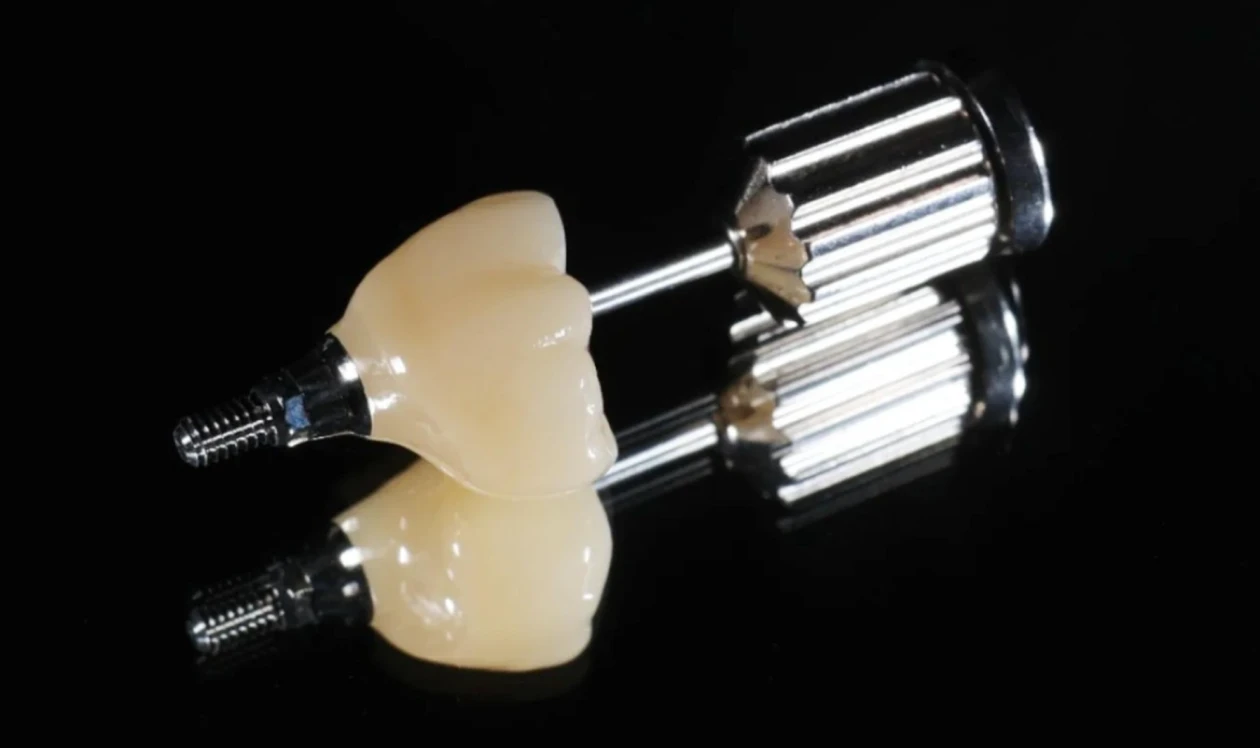
Replace missing teeth with durable, natural-looking implants that provide both strength and support for a functional smile.
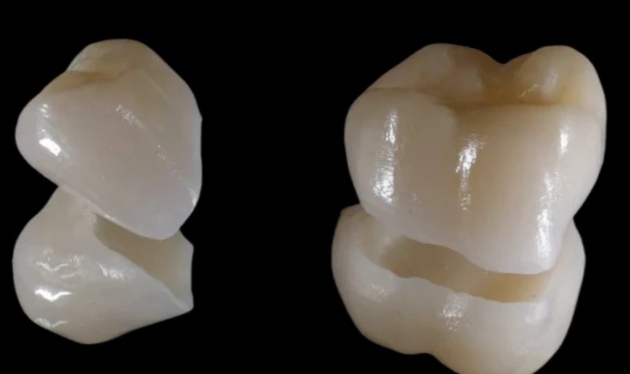
Strengthen and protect damaged teeth with a customised dental crown that restores both function and appearance.
Safe and efficient tooth extractions, performed when a tooth is damaged or causing pain.
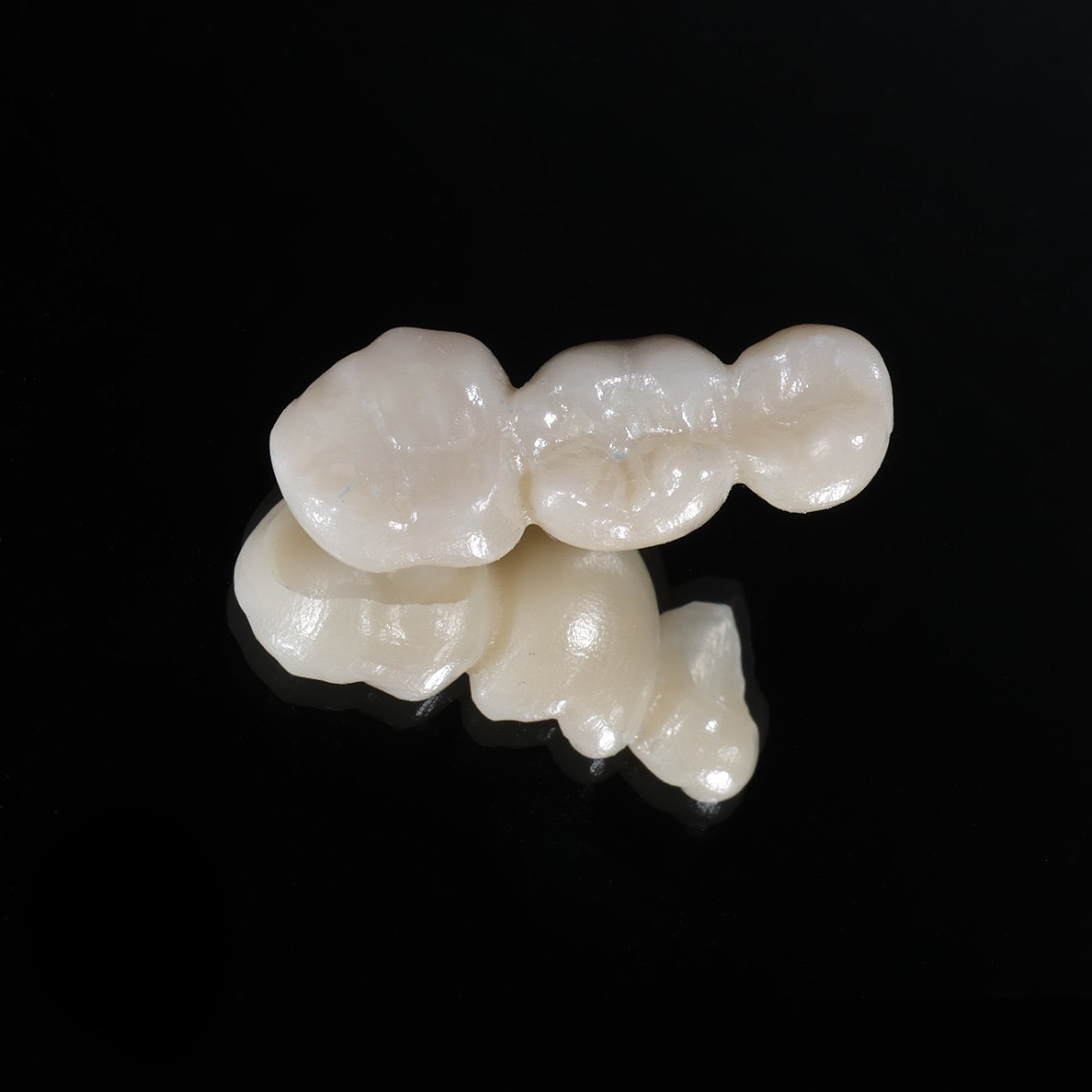
Restore your teeth with custom-made crowns and bridges, filling gaps and restoring both form and function.

Keep your smile healthy with regular check-ups and professional cleanings, helping to prevent future dental issues.

Prefer to book online? Book a free consult online and choose a time that suits you.
Prefer to speak with us? Call (02) 8090 1101. Otherwise, complete the form below to book a virtual consult and choose your preferred location.
Eligible new and existing patients considering Porcelain Veneers, Dental Implants, All-on-X Dental Implants or Invisalign/Clear Aligners can meet with a cosmetic dentist. The consultation may include scans, photographs and X-rays where clinically necessary.
During business hours (Monday-Friday, 8:00am-6:30pm), our team will aim to call you within 15 minutes.