
Yes, no-prep veneers can typically be removed since no tooth enamel was removed during placement. However, the bonding process may cause minor surface changes to your natural teeth.
Some patients initially notice a slight thickness difference with no-prep veneers, but most adapt within a few days. The feeling is generally subtle and becomes unnoticeable with time.
No, no-prep veneers work best for patients with relatively straight, healthy teeth who need minor cosmetic improvements. Significant alignment issues or severe discolouration may require traditional preparation techniques.
Important Disclaimer
Individual results vary significantly based on oral health, lifestyle habits, and adherence to care instructions. This information is for educational purposes only and does not replace professional dental consultation. Always consult with a qualified dental practitioner to discuss your specific needs and suitability for treatment.
You’ve been researching porcelain veneers and keep seeing terms like “no-prep veneers” and “minimal-prep” thrown around. The idea of getting veneers without having your teeth altered sounds appealing, but you’re wondering what the real differences are and whether no-prep veneers are actually the better choice.
At Cosmetique Dental, we regularly discuss these options with patients across our Sydney and Canberra clinics. The truth is, both approaches have their place in cosmetic dentistry, and the right choice depends entirely on your individual circumstances and treatment goals.
To appreciate the differences between no-prep and minimal-prep approaches, it helps to understand what traditional veneer preparation involves. Conventional porcelain veneers typically require removing about 0.5 to 0.7 millimetres of tooth enamel from the front surface of your teeth.
According to the Australian Dental Association, this preparation serves several important purposes:
This preparation is generally irreversible, which is why many patients are attracted to alternatives that preserve more of their natural tooth structure.
No-prep veneers are ultra-thin porcelain shells, typically measuring between 0.2 to 0.3 millimetres thick, that are bonded directly to your natural teeth without any preparation or enamel removal. Think of them as contact lenses for your teeth, incredibly thin yet durable when properly placed.
The main characteristics of no-prep veneers include:
Popular brands in this category include Lumineers and Vivaneers, though the term “no-prep veneers” has become somewhat generic for any ultra-thin veneer system that requires minimal to no tooth preparation.
Minimal-prep veneers occupy the space between traditional and no-prep approaches. This technique involves removing only 0.2 to 0.3 millimetres of enamel, significantly less than conventional veneers but slightly more than true no-prep options.
According to research published in Australian dental journals, minimal-prep techniques often provide:
This approach allows dentists to maintain most of the natural tooth structure while still having enough control to achieve optimal aesthetic results.
Understanding when each approach works best helps determine the most suitable option for your situation:
The thickness of no-prep veneers creates certain limitations that patients should understand before making their decision. Because these veneers are placed over existing teeth without preparation, they can sometimes result in:
Potential Bulkiness: Adding even thin veneers to unprepared teeth can make them appear slightly thicker or more prominent. This effect varies depending on your natural tooth size and shape.
Colour Limitations: Ultra-thin veneers have limited ability to mask dark or severely discoloured teeth. If your natural teeth show through the veneer material, the final result may not achieve your desired shade.
Gum Line Considerations: No-prep veneers placed at the gum line can sometimes create a ledge or step that affects both appearance and oral hygiene. Careful case selection helps avoid these issues.
Bite and Function Impact: Adding thickness to your teeth can subtly alter your bite. While usually minimal, some patients notice changes in how their teeth come together.
Research from Australian dental institutions suggests that veneer longevity correlates with several factors, including preparation technique and bonding surface area.
No-Prep Veneer Durability: Studies indicate that no-prep veneers can last 10-15 years with proper care, though they may be more prone to chipping or debonding due to their ultra-thin nature and smaller bonding surface.
Minimal-Prep Longevity: Minimal-prep veneers often demonstrate longevity similar to traditional veneers, with survival rates of 85-95% over 10-15 years, benefiting from improved bonding and slightly greater thickness.
Maintenance Requirements: Both options require similar maintenance routines, including:
Success with either no-prep or minimal-prep veneers depends heavily on appropriate case selection. Our experienced team at Cosmetique Dental uses comprehensive assessment to determine which approach will deliver the best results for your specific situation.
Assessment Factors Include:
Advanced imaging and digital smile design help visualise potential outcomes with different approaches, allowing you to make an informed decision based on predicted results rather than guesswork.
The investment required for no-prep versus minimal-prep veneers can vary based on several factors:
No-Prep Veneer Investment
While often marketed as more affordable, no-prep veneers from reputable laboratories using quality materials represent a similar investment to minimal-prep options. The main cost differences typically come from:
Consider the longevity and potential for future modifications when evaluating cost. Reversible no-prep options may appeal to some patients, while others prefer the durability and versatility of minimal-prep approaches.
Our locations in North Sydney, Sydney CBD, Bondi Junction, Parramatta, Macquarie Park, Hornsby and Canberra make it easy for patients to access support during their no-prep nor minimal-prep veneers journey.
Neither no-prep nor minimal-prep veneers are universally superior. The best choice depends on your individual circumstances, aesthetic goals, and long-term expectations.
At Cosmetique Dental, our comprehensive consultation process includes detailed examination, digital imaging, and discussion of all suitable options for your situation. Our experienced cosmetic dentists across Sydney and Canberra can help you understand which approach offers the best balance of aesthetics, function, and longevity for your specific needs.
The key is working with an experienced practitioner who can honestly assess your candidacy for different approaches and explain the expected outcomes, limitations, and maintenance requirements for each option.
Ready to discover whether no-prep veneers or minimal-prep techniques would work best for your smile goals? Call Cosmetique Dental today on (02) 8090 1101 or complete our online enquiry form to schedule your comprehensive veneer consultation and explore your options with our experienced team.
All your needs are taken care of by our dedicated planners from start to finish.
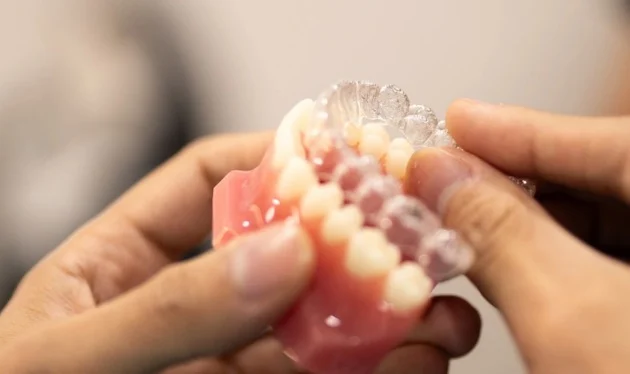
Custom porcelain veneers designed to alter tooth shape, size, or coloir.

Prefer to book online? Book a free consult online and choose a time that suits you.
Prefer to speak with us? Call (02) 8090 1101. Otherwise, complete the form below to book a virtual consult and choose your preferred location.
Eligible new and existing patients considering Porcelain Veneers, Dental Implants, All-on-X Dental Implants or Invisalign/Clear Aligners can meet with a cosmetic dentist. The consultation may include scans, photographs and X-rays where clinically necessary.
During business hours (Monday-Friday, 8:00am-6:30pm), our team will aim to call you within 15 minutes.