
The most critical period is the first 48 hours after treatment. After this, you can gradually reintroduce other foods, though limiting heavily staining substances helps maintain results longer.
Rinse your mouth with water immediately to help wash away any staining particles. Don’t brush right away, especially after acidic foods.
Check with your dental practitioner first. Some whitening toothpastes may be too abrasive for newly treated teeth initially.
Important Disclaimer
Individual results vary significantly based on oral health, lifestyle habits, and adherence to care instructions. This information is for educational purposes only and does not replace professional dental consultation. Always consult with a qualified dental practitioner to discuss your specific needs and suitability for treatment.
So, you’ve just invested in professional teeth whitening and your smile looks brilliant. Now comes the crucial part – maintaining those results. Proper whitening aftercare can make the difference between results that last months versus those that fade within weeks.
But what exactly should you avoid eating and drinking? Let’s explore the essential dietary guidelines for protecting your newly whitened teeth.
Professional teeth whitening temporarily makes your tooth enamel more porous and susceptible to staining. The bleaching process opens tiny pores in your enamel, allowing the whitening agents to penetrate and remove deep stains.
However, these same open pores can also absorb new stains more readily. For approximately 48 hours after treatment, your teeth remain particularly vulnerable to discolouration from foods and drinks.
This is why whitening aftercare focuses heavily on dietary choices during this critical period.
The first 48 hours after professional teeth whitening represent the most important period for protecting your results. During this time, your enamel gradually returns to its normal state, but until then, extra caution is necessary.
Many dental professionals recommend following what’s commonly called a “white diet” during this period – essentially eating only light-coloured foods that won’t stain your teeth.
Coffee and tea contain high levels of tannins, which are compounds that help stains adhere to tooth surfaces. Even a single cup during the critical 48-hour period can potentially affect your whitening results.
If you absolutely must have caffeine, add milk to dilute the staining potential and use a straw to minimise contact with your teeth.
Red wine contains anthocyanins, tannins, and high acidity levels. The acidity weakens enamel whilst the dark pigments can cause immediate staining.
White wine, whilst lighter in colour, is still acidic and can make your teeth more susceptible to staining from other sources.
Cola, root beer, and other dark sodas contain artificial colouring and high acidity levels. Even diet versions pose risks due to their acidic content and artificial colours.
Sports drinks and energy drinks also contain artificial colours and acids that can damage enamel.
Even natural fruit juices can be problematic due to their high acidity levels. Grape juice, cranberry juice, and other dark fruit juices are particularly concerning for whitening aftercare.
Citrus juices like orange, grapefruit, and lemon juice are highly acidic and can weaken enamel, making teeth more prone to staining.
Tomato sauce, soy sauce, balsamic vinegar, and other dark condiments can easily stain freshly whitened teeth. The “white shirt test” applies here. If it would stain a white shirt, it can stain your teeth.
Curry dishes are particularly problematic due to turmeric and other strongly pigmented spices.
Berries such as blueberries, blackberries, and cherries contain natural pigments that can cause staining. Beetroot, pomegranates, and other deeply coloured fruits and vegetables should also be avoided.
Dark chocolate presents challenges due to its colour and potential to stick to teeth.
Citrus fruits including oranges, lemons, limes, and grapefruit are highly acidic and can weaken enamel. This makes teeth more susceptible to staining from other sources.
Tomatoes, whether fresh or in sauces, combine acidity with natural dark colouring.
Brightly coloured sweets, lollies, and processed foods with artificial colouring should be avoided. These can leave residue on teeth and contribute to staining.
Refined sugars found in cakes, biscuits, and ice cream can increase bacterial activity, potentially affecting both your whitening results and overall oral health.
Chicken, turkey, and white fish are excellent choices during the critical 48-hour period. These provide necessary nutrition without staining risks.
Egg whites are acceptable, though you should avoid the yolks which can potentially cause discolouration.
White rice, pasta, and bread are generally suitable options. Potatoes are excellent choices, though removing the skin keeps them as light as possible.
Milk, white cheese, and plain yoghurt are not only allowed but beneficial. Dairy products can help strengthen tooth enamel whilst providing needed nutrition.
Cauliflower, white onions, and celery are good vegetable options. Bananas, pears, and peeled apples are among the few fruits that are generally considered suitable immediately after whitening.
Water is your best choice during whitening aftercare. It helps rinse away food particles and doesn’t pose any staining risks. Tap water is particularly beneficial as it often contains fluoride.
Plain milk is an excellent beverage choice that can actually help strengthen teeth whilst avoiding staining issues.
Professional teeth whitening can temporarily increase tooth sensitivity, making very hot or cold foods uncomfortable. During your whitening aftercare period, consider avoiding extremely hot soups or frozen treats like ice cream.
Room temperature or lukewarm foods and drinks are often more comfortable during the initial recovery period.
After the critical 48-hour period, you can gradually reintroduce other foods and drinks. However, continuing to limit heavily staining substances can help maintain your results longer.
When you do consume potentially staining beverages, using a straw can help minimise contact with your front teeth. Rinsing your mouth with water immediately after consuming potentially staining foods or drinks can help wash away particles before they set.
Regular brushing and flossing become even more important after whitening. However, wait at least an hour after eating before brushing, especially if you’ve consumed acidic foods.
Response to whitening treatments and dietary restrictions can vary between individuals. Some people may experience more sensitivity or be more prone to staining than others.
Your dental practitioner should provide specific guidance based on your individual situation and the type of whitening treatment you received.
Your dental team should provide specific whitening aftercare instructions based on the treatment you received. Different whitening methods may have slightly different aftercare requirements.
If you experience severe sensitivity that doesn’t improve after a few days, or if you notice uneven whitening results, contact your dental practitioner.
We understand that proper whitening aftercare is essential for achieving the best possible results from your investment. Our team provides comprehensive post-treatment guidance to help you maintain your brighter smile.
With locations across North Sydney, Bondi Junction, Parramatta, Macquarie Park, Hornsby, and Canberra, we’re available to support you throughout your whitening journey.
Professional teeth whitening results vary between individuals based on factors including original tooth colour, lifestyle habits, and adherence to aftercare instructions. Some patients may experience temporary tooth sensitivity following treatments, which typically resolves within a few days but can vary between individuals.
Following proper whitening aftercare protocols can help maximise the longevity of your results, but individual outcomes depend on factors including oral hygiene practices and ongoing dietary choices.
Ready to learn more about maintaining your whitening results? Call Cosmetique Dental on (02) 8090 1101 or complete our online enquiry form to discuss your specific whitening aftercare needs.
All your needs are taken care of by our dedicated planners from start to finish.
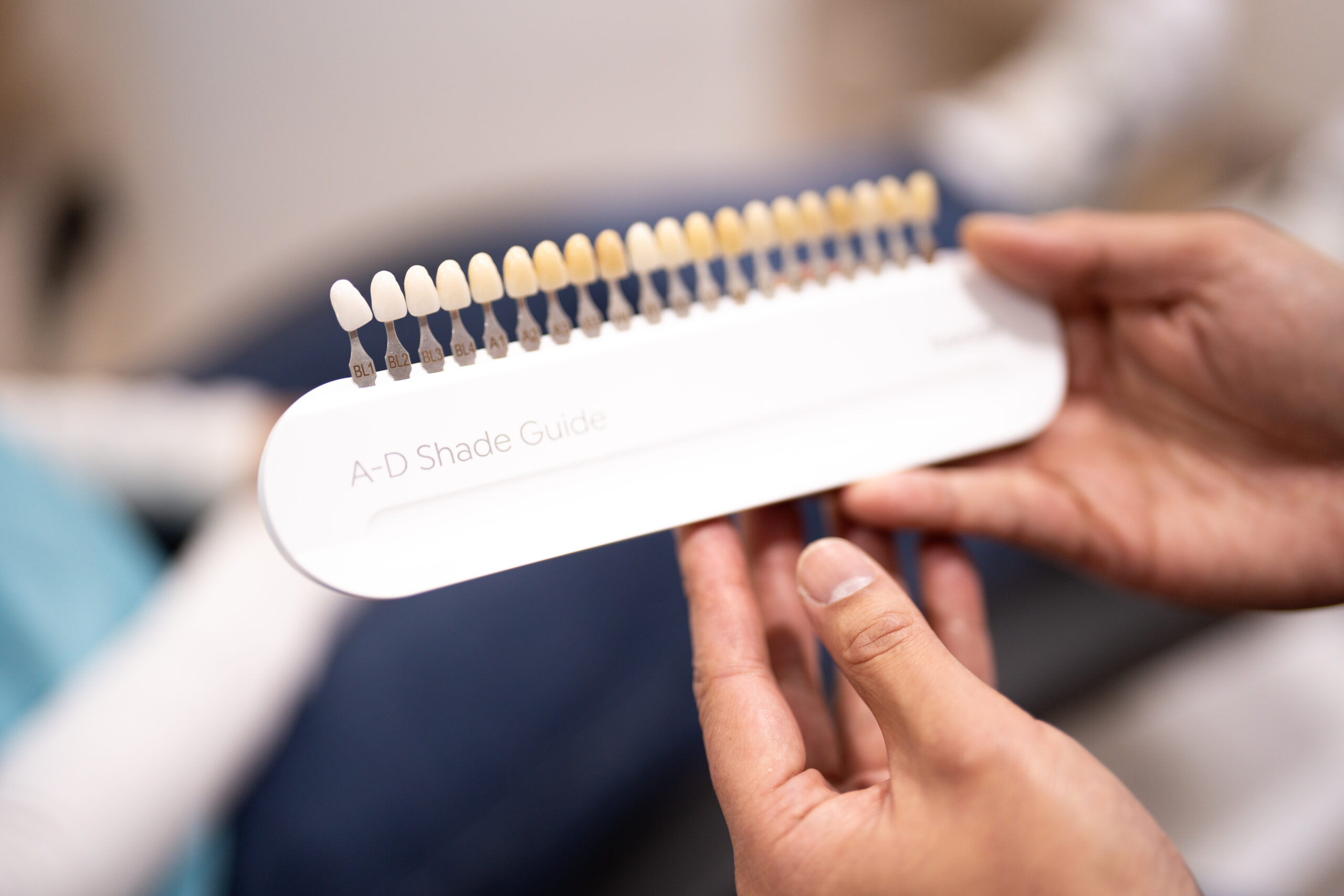
Professional in-clinic or at-home whitening systems designes to address tooth discolouration.
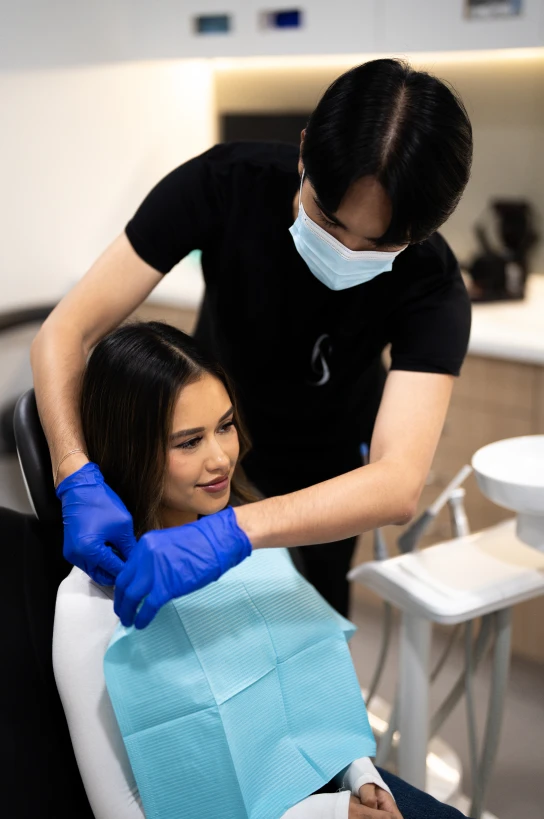
Keep your smile healthy with regular check-ups and professional cleanings, helping to prevent future dental issues.

Prefer to book online? Book a free consult online and choose a time that suits you.
Prefer to speak with us? Call (02) 8090 1101. Otherwise, complete the form below to book a virtual consult and choose your preferred location.
Eligible new and existing patients considering Porcelain Veneers, Dental Implants, All-on-X Dental Implants or Invisalign/Clear Aligners can meet with a cosmetic dentist. The consultation may include scans, photographs and X-rays where clinically necessary.
During business hours (Monday-Friday, 8:00am-6:30pm), our team will aim to call you within 15 minutes.